
Mayor Zohran Mamdani Appoints Christine Clarke as Human Rights Chair
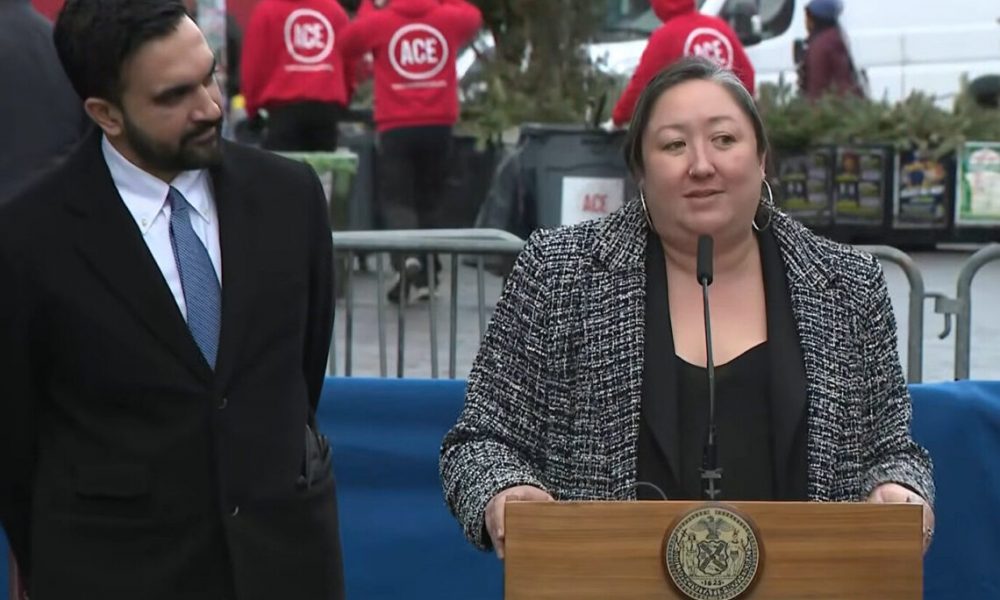
On January 7, 2026, during his first full week in office, Zohran Mamdani made a move that set the tone for his administration. Standing at Diversity Plaza in Jackson Heights, Queens, he announced civil rights attorney Christine Clarke as the new chair and commissioner of the New York City Commission on Human Rights. The location mattered. Jackson Heights is loud, crowded, immigrant-heavy, and real.
Mayor Mamdani wanted that energy behind the message.
He tied the moment to history. The commission traces its roots back 82 years to Mayor Fiorello La Guardia and the Committee on Unity formed in 1944. Mamdani framed Clarke’s appointment as a return to that original mission: To protect people who get ignored, targeted, or pushed aside. The symbolism was clear.
Why Christine Clarke Fits the Job?
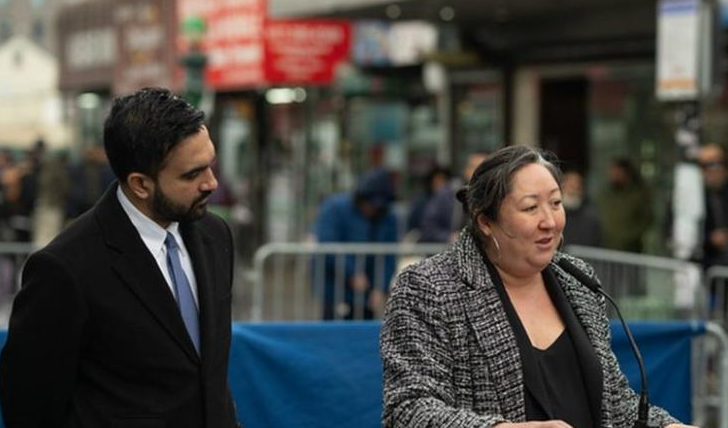
YouTube / Christine Clarke did not come up through politics. She comes from courtrooms and case files.
Right before this appointment, she ran litigation and advocacy at Legal Services NYC, where she fought for low-income New Yorkers who could not afford mistakes or delays. She also led the Civil Rights Justice Initiative, a role that put her face-to-face with discrimination claims every day.
Her work focused on housing, jobs, due process, and language access. These are not abstract ideas. They are the difference between keeping an apartment or losing it, keeping a job or getting pushed out. Clarke built a reputation for taking on hard cases and sticking with them. That matters in a city where systems move slow and patience runs out fast.
She also has experience suing the city itself. One major case targeted the New York City Police Department for failing to provide interpreters to domestic violence survivors. The case ended in a federal settlement that forced new training and new rules. Clarke knows how city agencies work because she has taken them to court and won.
Earlier in her career, she worked at Planned Parenthood on reproductive rights and later in private practice at RPJ, advising businesses and individuals. That mix is useful. She understands both sides of the table. Enforcement, defense, and compliance are all familiar ground. That gives her credibility with advocates and institutions alike.
The Commission is Under Pressure

Mamdani / IG / The Commission on Human Rights has one of the strongest laws in the country. New York City bans discrimination based on race, gender, age, disability, sexual orientation, immigration status, and more.
On paper, it is powerful. In practice, it has struggled. Thousands of complaints pour in each year, mostly tied to housing and employment.
The biggest problem is delay. A state audit released in December 2025 found housing discrimination cases sitting for years without resolution. That kind of lag kills trust. When justice takes too long, it stops feeling like justice at all. Even people with strong cases give up. Clarke addressed this head-on during her announcement. She admitted the delays were enormous and promised speed.
Mayor Mamdani echoed that urgency. Critics have called the commission lackluster, slow, and toothless. He wants to change that reputation fast. Clarke’s job is not just to enforce the law but to make the agency work again. Faster investigations, clearer outcomes, and visible consequences are now the baseline, not a wish list.
This appointment also shows how Mamdani is structuring his government. Clarke will report directly to Deputy Mayor for Economic Justice Julie Su. That role did not exist before. Mamdani created it to link worker rights, fair wages, and human rights enforcement under one roof. It is a deliberate move, not a symbolic one.
More in Criminal Attorney
-
 How to Secure a Government Job During Budget Cuts
Federal hiring slows down when budgets tighten, yet it never stops completely. Agencies still need analysts, advisors, and policy staff to...
March 1, 2026 -
 Brooklyn Beckham’s Billionaire Father-in-Law Breaks Silence on the Family Feud
The Beckham family drama just took another sharp turn. This time, the voice cutting through the noise belongs to billionaire investor...
February 22, 2026 -
 Notre Dame Faces Faculty Resigns After Controversial Appointment
Tension is rising at the University of Notre Dame after two scholars cut formal ties with the Liu Institute for Asia...
February 22, 2026 -
 High Court Upholds Malay Celeb Preacher Da’i Syed’s Rape Conviction
The Shah Alam High Court has spoken, and it spoke clearly. Celebrity preacher Da’i Syed will go to prison now, not...
February 15, 2026 -
 Venezuela Opens Oil Industry as U.S. Threatens Cuba Tariffs
Venezuela has passed a significant law change aimed at opening its oil industry to foreign investment. The move, endorsed by acting...
February 15, 2026 -
 Is a ChatGPT-Written Will Legal?
At first glance, using AI to draft a will seems like a smart idea. It’s fast, free, and has a modern...
February 6, 2026 -
 Prince Harry Supports Elizabeth Hurley in Tabloid Privacy Case
London’s High Court became the center of attention as Prince Harry appeared in support of Elizabeth Hurley during an emotional hearing...
February 6, 2026 -
 5 Ways AI Is Transforming Daily Legal Workflows
AI did not storm into law firms with fireworks. It slipped in through contracts, research tabs, inboxes, and meeting notes. By...
February 1, 2026 -
 How to Legally Protect Your Side Hustle Without Spending a Fortune
Starting a side hustle is a practical way to test a business idea, generate extra income, or lay the foundation for...
February 1, 2026
More From Lawyers Favorite
-
 Criminal AttorneyUS Supreme Court Limits Sentence Reductions for Federal Prisoners
The U.S. Supreme Court has issued a major ruling that reshapes how far prison reform laws can reach into past sentencing....
June 12, 2026 -
 Celeb JusticeInside Ex-Prince Andrew’s “Bleak” Life in Exile as New Claims Emerge
Once positioned near the center of Britain’s royal institution, Andrew Mountbatten-Windsor now faces a reality far removed from palace ceremonies and...
June 6, 2026 -
 Legal AdviceU.S. Lawmakers Push Bill to Expand Burn Pit Benefits to Civilian Workers
A bipartisan group of U.S. lawmakers has introduced a draft proposal aimed at expanding workers’ compensation access for civilian federal employees...
May 30, 2026 -
 Law DegreePentagon AI Use in War Raises Questions on Legal Limits and Accountability
AI has moved from support tools in defense operations to a central part of how modern warfare is conducted. In the...
May 22, 2026 -
 Criminal AttorneyIdaho Bathroom Law Faces Federal Lawsuit by Transgender Residents
A new Idaho law restricting restroom access has triggered a federal court challenge from transgender residents who say it places daily...
May 15, 2026