

High Court Upholds Malay Celeb Preacher Da’i Syed’s Rape Conviction
The Shah Alam High Court has spoken, and it spoke clearly. Celebrity preacher Da’i Syed will go to prison now, not later, not after another delay. The court upheld his rape conviction and confirmed his 10-year jail sentence along with three strokes of the cane.
For years, this case moved slowly through the system. Appeals came and went, and public debate followed every court date. On January 23, 2026, that long legal road reached a hard stop.
This ruling sends a strong message about accountability, power, and trust.
The High Court Draws a Firm Line
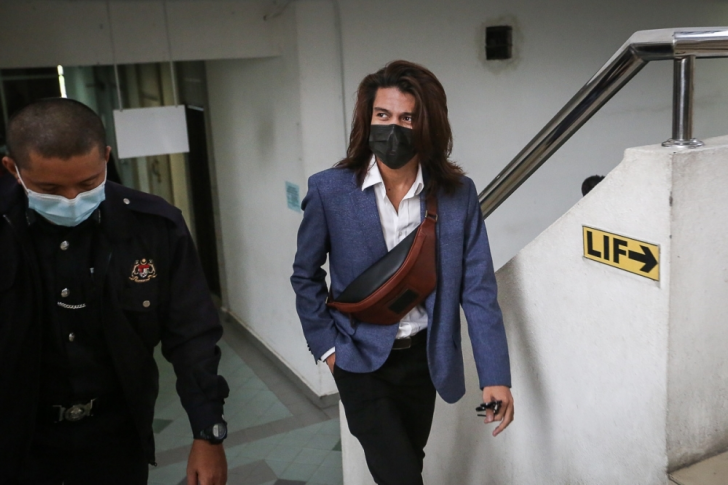
GTN / High Court Judge Adlin Abdul Majid dismissed Da’i Syed’s appeal in full. The judge said the Sessions Court did its job properly and made no legal mistakes.
The conviction stood because the prosecution proved its case beyond a reasonable doubt.
The judge did not mince words about the defence. He described Da’i Syed’s version of events as a mere denial filled with contradictions. Those inconsistencies weakened his credibility and failed to challenge the victim’s testimony in any meaningful way.
The court stressed an important legal rule. Appellate courts do not interfere with factual findings unless there is a clear and serious error. In this case, the trial judge had carefully evaluated oral testimony and evidence, and there was no reason to disturb those findings.
At the same time, the High Court also rejected the prosecution’s request for a harsher sentence. The judge ruled that 10 years in prison and caning fit the crime. He noted there was no evidence of extreme violence or cruelty during the offence, which the lower court had already considered.
How the Case Reached This Point?
The case against Da’i Syed began more than five years ago. On December 10, 2020, he was charged with raping a 23-year-old woman at a condominium in I-City, Shah Alam. The alleged assault took place in the early hours of September 11, 2019.
The charge was brought under Section 376(1) of the Penal Code. This provision allows for up to 20 years in prison and whipping upon conviction. From the start, the case drew heavy public attention due to Da’i Syed’s celebrity status.
In April 2023, the Shah Alam Sessions Court discharged and acquitted him at the close of the prosecution’s case. At that point, many believed the matter was over. That belief did not last long.
The prosecution appealed, and in March 2024, the High Court allowed the appeal. The court ordered Da’i Syed to enter his defence, reopening the case and pushing it back into the spotlight.
After a full defence hearing, the Sessions Court delivered its verdict on August 30, 2024. Judge Norazlin Othman found Da’i Syed guilty of rape. The court sentenced him to 10 years in prison and three strokes of the cane, with immediate effect.
During sentencing, the prosecution argued for deterrence. They pointed out that Da’i Syed was a well-known preacher and motivator who enjoyed public trust. That position, they said, made the offence more serious because it involved an abuse of influence.
With the latest ruling, the stay was lifted. The conviction was affirmed. The sentence was enforced. The legal back and forth finally ended.
Power, Trust, and the Court’s Message

Malay Times / This case has raised difficult questions about power, influence, and accountability. Da’i Syed was a public figure admired by many.
The prosecution consistently argued that his status mattered. They said he used his image and authority to gain the victim’s trust. The courts took that argument seriously, even while ensuring the sentence remained proportionate.
The High Court’s refusal to delay punishment sends a clear signal. Being popular, respected, or influential does not place someone above the law. Personal hardship, including financial responsibility for family, cannot outweigh the gravity of a serious crime.
The judgment also highlights how courts assess credibility. The victim’s testimony remained consistent and supported by evidence. The defence, on the other hand, relied heavily on denial without solid proof.
More in Celeb Justice
-
 How to Secure a Government Job During Budget Cuts
Federal hiring slows down when budgets tighten, yet it never stops completely. Agencies still need analysts, advisors, and policy staff to...
March 1, 2026 -
 Brooklyn Beckham’s Billionaire Father-in-Law Breaks Silence on the Family Feud
The Beckham family drama just took another sharp turn. This time, the voice cutting through the noise belongs to billionaire investor...
February 22, 2026 -
 Notre Dame Faces Faculty Resigns After Controversial Appointment
Tension is rising at the University of Notre Dame after two scholars cut formal ties with the Liu Institute for Asia...
February 22, 2026 -
 Venezuela Opens Oil Industry as U.S. Threatens Cuba Tariffs
Venezuela has passed a significant law change aimed at opening its oil industry to foreign investment. The move, endorsed by acting...
February 15, 2026 -
 Is a ChatGPT-Written Will Legal?
At first glance, using AI to draft a will seems like a smart idea. It’s fast, free, and has a modern...
February 6, 2026 -
 Prince Harry Supports Elizabeth Hurley in Tabloid Privacy Case
London’s High Court became the center of attention as Prince Harry appeared in support of Elizabeth Hurley during an emotional hearing...
February 6, 2026 -
 5 Ways AI Is Transforming Daily Legal Workflows
AI did not storm into law firms with fireworks. It slipped in through contracts, research tabs, inboxes, and meeting notes. By...
February 1, 2026 -
 How to Legally Protect Your Side Hustle Without Spending a Fortune
Starting a side hustle is a practical way to test a business idea, generate extra income, or lay the foundation for...
February 1, 2026 -
 Mayor Zohran Mamdani Appoints Christine Clarke as Human Rights Chair
On January 7, 2026, during his first full week in office, Zohran Mamdani made a move that set the tone for...
January 25, 2026
More From Lawyers Favorite
-
 Criminal AttorneyUS Supreme Court Limits Sentence Reductions for Federal Prisoners
The U.S. Supreme Court has issued a major ruling that reshapes how far prison reform laws can reach into past sentencing....
June 12, 2026 -
 Celeb JusticeInside Ex-Prince Andrew’s “Bleak” Life in Exile as New Claims Emerge
Once positioned near the center of Britain’s royal institution, Andrew Mountbatten-Windsor now faces a reality far removed from palace ceremonies and...
June 6, 2026 -
 Legal AdviceU.S. Lawmakers Push Bill to Expand Burn Pit Benefits to Civilian Workers
A bipartisan group of U.S. lawmakers has introduced a draft proposal aimed at expanding workers’ compensation access for civilian federal employees...
May 30, 2026 -
 Law DegreePentagon AI Use in War Raises Questions on Legal Limits and Accountability
AI has moved from support tools in defense operations to a central part of how modern warfare is conducted. In the...
May 22, 2026 -
 Criminal AttorneyIdaho Bathroom Law Faces Federal Lawsuit by Transgender Residents
A new Idaho law restricting restroom access has triggered a federal court challenge from transgender residents who say it places daily...
May 15, 2026