

Colorado Law Bars Adult Prosecution for 11-YO Accused of Killing His Minor Brother
A quiet neighborhood in Centennial, Colorado, became the center of a heartbreaking investigation after a five-year-old boy was found dead inside his family’s home. Authorities now say the suspected killer is the child’s 11-year-old brother. The case has stunned the local community and triggered serious legal questions about how the justice system handles crimes involving very young suspects.
Police responded to the home on South Jerico Way around 5:30 p.m. on March 10 after receiving a report about a child’s death. Deputies with the Arapahoe County Sheriff’s Office arrived to find the five-year-old boy deceased inside the residence. Within a day, investigators announced that the child’s older brother had become the primary suspect and that the case was being treated as a homicide.
Because both boys are minors, authorities have not released their names. The suspect is currently being held at the Marvin W. Foote Youth Services Center in Centennial. Officials have also not yet revealed the cause of death, and investigators say the case remains active.
A Rare and Difficult Case for the Justice System
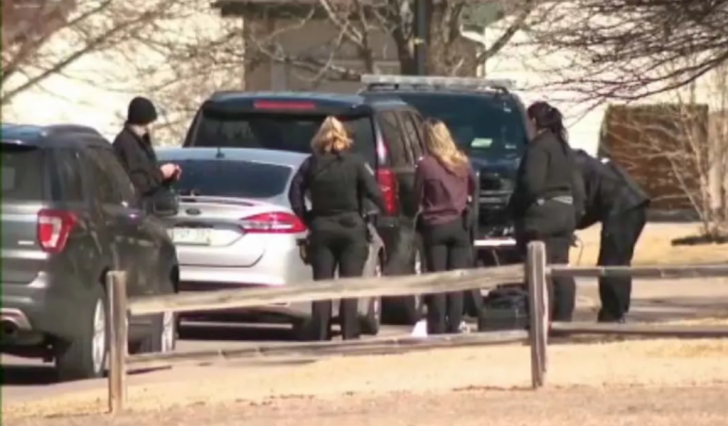
Yahoo / Legal analysts say the case stands out because suspects this young rarely face charges as serious as first-degree murder. Christopher Decker, a legal analyst for FOX31, described the situation as “extremely unusual.”
The expert noted that he could not recall another case involving an 11-year-old charged with first-degree murder in Colorado.
The reason this case draws so much attention lies in Colorado law. State statutes set a strict minimum age for transferring a juvenile to adult court. Prosecutors can only request a transfer once a child reaches 12 years old. Since the suspect in this case is only 11, the law blocks prosecutors from trying him as an adult.
Former 18th Judicial District Attorney George Brauchler explained the rule clearly. He stated that because the child is 11 years old, adult prosecution is legally impossible under Colorado law.
How the Juvenile Justice System Handles Serious Crimes?
When a case remains in juvenile court, the possible outcomes look very different from adult criminal proceedings. Even in cases involving severe charges, sentencing options remain limited compared with adult penalties.
Prosecutors could pursue a designation known as an aggravated juvenile offender. This label applies to serious crimes committed by minors and allows the court to impose stricter supervision and longer placements in youth facilities.
If prosecutors choose that route and the court agrees, the suspect could face between three and seven years in the custody of Colorado’s Division of Youth Services. That agency manages secure facilities and treatment programs for juveniles who commit serious offenses.
Without the aggravated offender designation, the sentence could be shorter. Legal experts say the maximum outcome in that scenario might be closer to two years of confinement with continued supervision afterward. Parole could also become possible after several years, depending on how the case develops.
These limits often surprise people who follow cases like this. Many assume that a murder charge automatically leads to decades in prison. Juvenile law does not work that way, particularly when the accused is so young.
Typically, first-degree murder charges require proof of premeditation. In everyday language, people often imagine that premeditation means long planning or elaborate preparation.
The Community Struggling With Shock and Grief
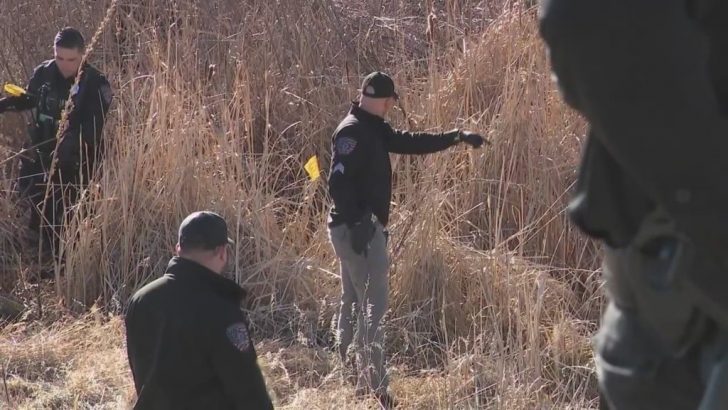
The News / The five-year-old victim was a kindergarten student at Timberline Elementary School.
Principal Mary Bowens informed families about the situation in a message sent to parents. She explained that the school would provide additional mental health support for students and staff members who are grieving the loss of a young classmate.
One neighbor, Kirby O’Loughlin, said the sight of law enforcement activity in the normally quiet area felt “surreal.” He called the situation “every parent’s worst nightmare” and said the tragedy weighed heavily on families nearby.
Because the suspect is a juvenile, many details about the investigation will likely stay confidential. Juvenile courts protect the identities of minors involved in criminal cases. This rule exists to give young offenders a chance to rebuild their lives without permanent public labeling.
The 18th Judicial District Attorney’s Office confirmed that legal restrictions prevent officials from sharing additional details.
More in Law Degree
-
 Brooklyn Beckham’s Billionaire Father-in-Law Breaks Silence on the Family Feud
The Beckham family drama just took another sharp turn. This time, the voice cutting through the noise belongs to billionaire investor...
February 22, 2026 -
 Notre Dame Faces Faculty Resigns After Controversial Appointment
Tension is rising at the University of Notre Dame after two scholars cut formal ties with the Liu Institute for Asia...
February 22, 2026 -
 High Court Upholds Malay Celeb Preacher Da’i Syed’s Rape Conviction
The Shah Alam High Court has spoken, and it spoke clearly. Celebrity preacher Da’i Syed will go to prison now, not...
February 15, 2026 -
 Venezuela Opens Oil Industry as U.S. Threatens Cuba Tariffs
Venezuela has passed a significant law change aimed at opening its oil industry to foreign investment. The move, endorsed by acting...
February 15, 2026 -
 Is a ChatGPT-Written Will Legal?
At first glance, using AI to draft a will seems like a smart idea. It’s fast, free, and has a modern...
February 6, 2026 -
 Prince Harry Supports Elizabeth Hurley in Tabloid Privacy Case
London’s High Court became the center of attention as Prince Harry appeared in support of Elizabeth Hurley during an emotional hearing...
February 6, 2026 -
 5 Ways AI Is Transforming Daily Legal Workflows
AI did not storm into law firms with fireworks. It slipped in through contracts, research tabs, inboxes, and meeting notes. By...
February 1, 2026 -
 How to Legally Protect Your Side Hustle Without Spending a Fortune
Starting a side hustle is a practical way to test a business idea, generate extra income, or lay the foundation for...
February 1, 2026 -
 Mayor Zohran Mamdani Appoints Christine Clarke as Human Rights Chair
On January 7, 2026, during his first full week in office, Zohran Mamdani made a move that set the tone for...
January 25, 2026
More From Lawyers Favorite
-
 Criminal AttorneyUS Supreme Court Limits Sentence Reductions for Federal Prisoners
The U.S. Supreme Court has issued a major ruling that reshapes how far prison reform laws can reach into past sentencing....
June 12, 2026 -
 Celeb JusticeInside Ex-Prince Andrew’s “Bleak” Life in Exile as New Claims Emerge
Once positioned near the center of Britain’s royal institution, Andrew Mountbatten-Windsor now faces a reality far removed from palace ceremonies and...
June 6, 2026 -
 Legal AdviceU.S. Lawmakers Push Bill to Expand Burn Pit Benefits to Civilian Workers
A bipartisan group of U.S. lawmakers has introduced a draft proposal aimed at expanding workers’ compensation access for civilian federal employees...
May 30, 2026 -
 Law DegreePentagon AI Use in War Raises Questions on Legal Limits and Accountability
AI has moved from support tools in defense operations to a central part of how modern warfare is conducted. In the...
May 22, 2026 -
 Criminal AttorneyIdaho Bathroom Law Faces Federal Lawsuit by Transgender Residents
A new Idaho law restricting restroom access has triggered a federal court challenge from transgender residents who say it places daily...
May 15, 2026