
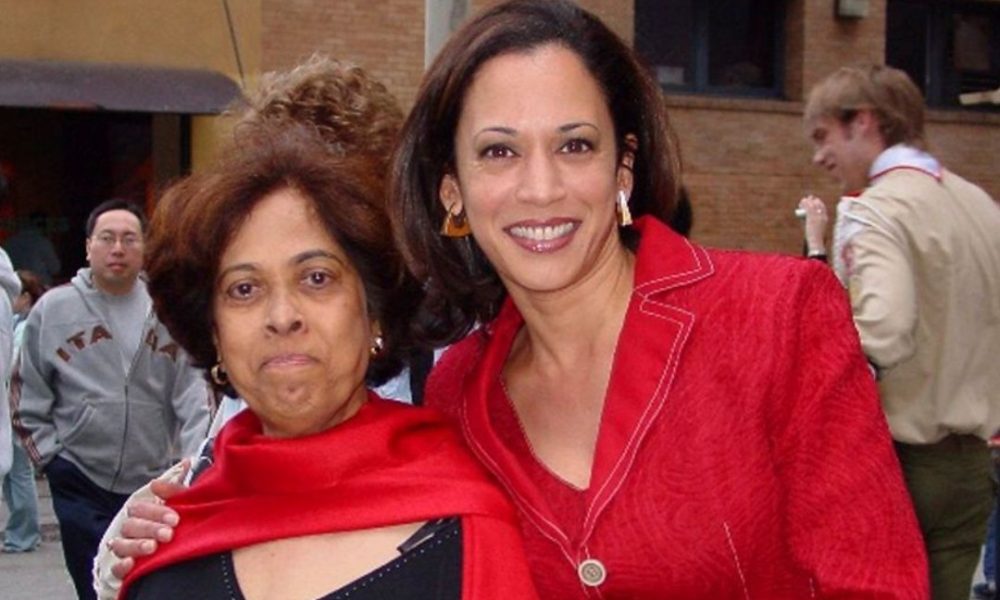
What Kamala Harris Did As A Prosecutor Tells a Lot About Her Approach Toward Criminal Justice
When examining Kamala Harris as a prosecutor, you get a complex picture of a leader who made tough decisions, some of which sparked controversy. Harris, who served as District Attorney in San Francisco and later as Attorney General of California, established a reputation for balancing reformist ideals with the responsibilities of her role.
Her prosecutorial choices shaped her approach to criminal justice. They reveal a commitment to safety mixed with a willingness to rethink traditional approaches.
The Case of Jamal Trulove With Kamala Harris as a Prosecutor
Another case that marked Kamala Harris as a prosecutor was the 2008 prosecution of Jamal Trulove. Trulove was arrested and charged with the murder of his friend, Seu Kuka and the case was handled by Harris’s office. He was convicted in 2010 and spent six years in prison before an appellate court found that the case had serious flaws.

Kamala / IG / In 2008, Jamal Trulove was charged with a murder case – under Kamala’s watch. He was later acquitted.
The court determined that police officers had manipulated evidence, framing Trulove, who was later acquitted in a retrial. The city eventually paid him $13 million in compensation for his wrongful conviction.
Kamala’s Approach Toward the Death Penalty
One of the earliest tests for Kamala Harris as a prosecutor came in 2004. It was a time when San Francisco Police Officer Isaac Espinoza was tragically shot and killed in the line of duty. The case rocked the city, and there was immense public and political pressure for Harris to seek the death penalty.
Police groups, Espinoza’s grieving family, and prominent state Democrats pushed her to make an exception to her campaign stance against capital punishment.
However, Harris stood firm in her beliefs and decided not to pursue the death penalty, a move that would have serious long-term implications for her relationship with the police department and other city officials. To Harris, sticking to her stance against the death penalty was a matter of principle. Her choice angered many, but it demonstrated her willingness to stand by her beliefs, even when doing so could have political costs.
Standing Against Marijuana Legalization – A Controversial Stance
Kamala Harris, as a prosecutor, often took heat for her stance on marijuana, particularly during a time when attitudes toward the substance were rapidly evolving. As District Attorney, she opposed legalization, even as states like Colorado and Washington embraced it.

Kamala / IG / While Harris supported drug diversion programs and expungements for some offenders, her reluctance to endorse broader legalization drew criticism from reform advocates.
In retrospect, Harris’s stance on marijuana reflected a cautious, pragmatic approach. She emphasized public safety and was concerned about the potential social implications of legalization. Even as public opinion on marijuana was shifting.
Anti-Truancy Laws
One of Harris’s most polarizing initiatives as San Francisco’s District Attorney was her approach to truancy. She believed that keeping kids in school was critical to preventing future criminal behavior, and she championed anti-truancy laws to support this vision. Harris directed her office to prosecute a small number of parents whose children repeatedly missed school, believing that this would send a strong message about the importance of education.
However, this policy faced backlash. Critics argued that it disproportionately affected low-income families and that prosecuting parents was not the solution to school attendance problems. For Harris, the issue was about community responsibility and breaking the cycle of poverty that often leads children into crime.
Yet, opponents felt it was a harsh measure that criminalized parents instead of addressing the root causes of truancy.
More in Criminal Attorney
-
 How to Secure a Government Job During Budget Cuts
Federal hiring slows down when budgets tighten, yet it never stops completely. Agencies still need analysts, advisors, and policy staff to...
March 1, 2026 -
 Brooklyn Beckham’s Billionaire Father-in-Law Breaks Silence on the Family Feud
The Beckham family drama just took another sharp turn. This time, the voice cutting through the noise belongs to billionaire investor...
February 22, 2026 -
 Notre Dame Faces Faculty Resigns After Controversial Appointment
Tension is rising at the University of Notre Dame after two scholars cut formal ties with the Liu Institute for Asia...
February 22, 2026 -
 High Court Upholds Malay Celeb Preacher Da’i Syed’s Rape Conviction
The Shah Alam High Court has spoken, and it spoke clearly. Celebrity preacher Da’i Syed will go to prison now, not...
February 15, 2026 -
 Venezuela Opens Oil Industry as U.S. Threatens Cuba Tariffs
Venezuela has passed a significant law change aimed at opening its oil industry to foreign investment. The move, endorsed by acting...
February 15, 2026 -
 Is a ChatGPT-Written Will Legal?
At first glance, using AI to draft a will seems like a smart idea. It’s fast, free, and has a modern...
February 6, 2026 -
 Prince Harry Supports Elizabeth Hurley in Tabloid Privacy Case
London’s High Court became the center of attention as Prince Harry appeared in support of Elizabeth Hurley during an emotional hearing...
February 6, 2026 -
 5 Ways AI Is Transforming Daily Legal Workflows
AI did not storm into law firms with fireworks. It slipped in through contracts, research tabs, inboxes, and meeting notes. By...
February 1, 2026 -
 How to Legally Protect Your Side Hustle Without Spending a Fortune
Starting a side hustle is a practical way to test a business idea, generate extra income, or lay the foundation for...
February 1, 2026
More From Lawyers Favorite
-
 Criminal AttorneyUS Supreme Court Limits Sentence Reductions for Federal Prisoners
The U.S. Supreme Court has issued a major ruling that reshapes how far prison reform laws can reach into past sentencing....
June 12, 2026 -
 Celeb JusticeInside Ex-Prince Andrew’s “Bleak” Life in Exile as New Claims Emerge
Once positioned near the center of Britain’s royal institution, Andrew Mountbatten-Windsor now faces a reality far removed from palace ceremonies and...
June 6, 2026 -
 Legal AdviceU.S. Lawmakers Push Bill to Expand Burn Pit Benefits to Civilian Workers
A bipartisan group of U.S. lawmakers has introduced a draft proposal aimed at expanding workers’ compensation access for civilian federal employees...
May 30, 2026 -
 Law DegreePentagon AI Use in War Raises Questions on Legal Limits and Accountability
AI has moved from support tools in defense operations to a central part of how modern warfare is conducted. In the...
May 22, 2026 -
 Criminal AttorneyIdaho Bathroom Law Faces Federal Lawsuit by Transgender Residents
A new Idaho law restricting restroom access has triggered a federal court challenge from transgender residents who say it places daily...
May 15, 2026