
Venezuela Opens Oil Industry as U.S. Threatens Cuba Tariffs
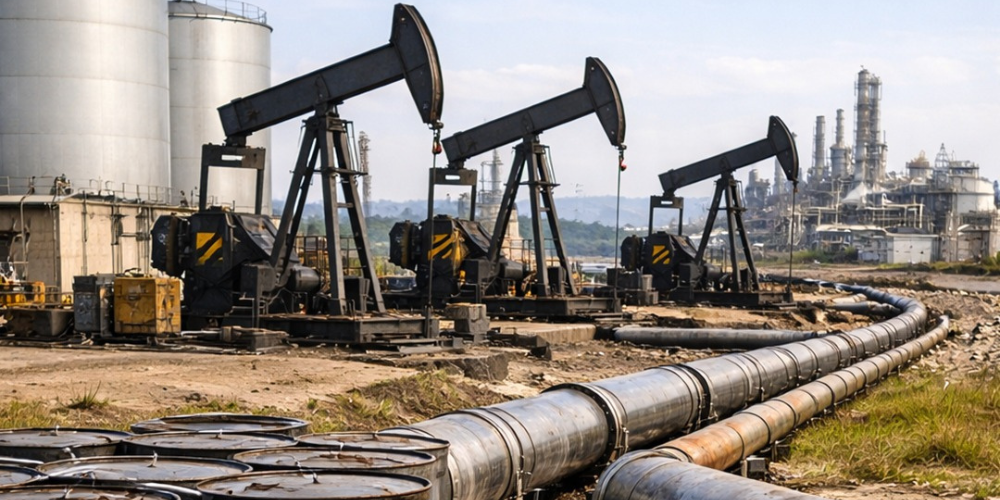
Venezuela has passed a significant law change aimed at opening its oil industry to foreign investment. The move, endorsed by acting President Delcy Rodríguez, allows international companies to operate Venezuelan oilfields at their own risk and expense, stepping into a sector previously dominated by state-owned Petróleos de Venezuela (PDVSA).
This decision aligns with U.S. President Donald Trump’s pressure on Caracas, as he has repeatedly encouraged American firms to invest in Venezuela’s vast energy reserves. The country holds the world’s largest proven oil reserves, and the new law aims to maximize the economic potential of these resources.
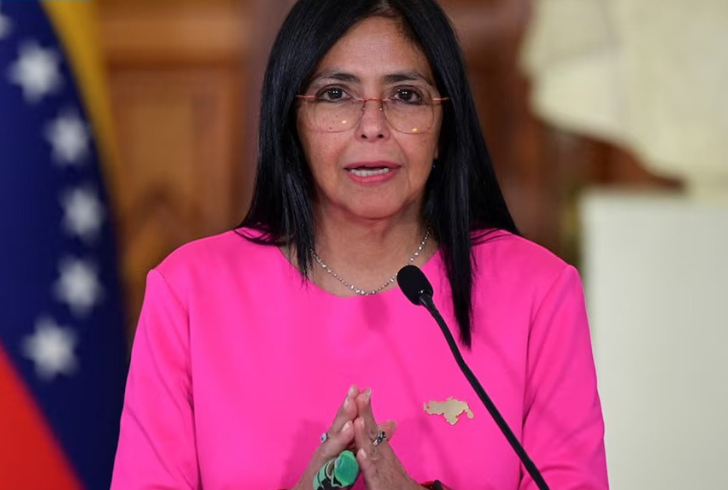
Instagram | thecitizentz | Delcy Rodríguez backs a new legal framework for private-sector management of Venezuelan oil assets.
Acting President Rodríguez highlighted the significance of the reform at a public event. She stated, “This law allows us to make a true historic qualitative leap to turn those oil reserves, the largest on the planet, into the greatest happiness a people can have, with the Venezuelan people as the rightful owners of that happiness.”
Her brother, National Assembly leader Jorge Rodríguez, said the law could speed up production in undeveloped oil fields. He described it as a boost for the energy sector. The reform passed the legislature unanimously. It now needs Rodríguez’s signature and official publication to take effect.
U.S. Pressure on Cuba
On the same day, President Trump signed an executive order threatening additional tariffs on nations supplying oil to Cuba. He labeled Cuba’s government policies as a national security threat, citing its ties with Russia, support for groups like Hezbollah and Hamas, and internal political repression.
Cuba has relied heavily on Venezuelan oil, obtaining over a third of its supply from Caracas. The capture of Nicolás Maduro disrupted these shipments, contributing to longer gas lines and increasing power shortages in Cuba.
Speaking at the “Melania” premiere, Trump said the goal is not to destroy Cuba’s economy but expressed skepticism about the island’s long-term survival, noting its history of political and economic mismanagement.
Cuba’s Foreign Minister, Bruno Rodríguez, condemned the tariff threat, calling it “a brutal act of aggression against Cuba and its people” and accusing the U.S. of using coercion to enforce its blockade policy.
Investment and Security Concerns
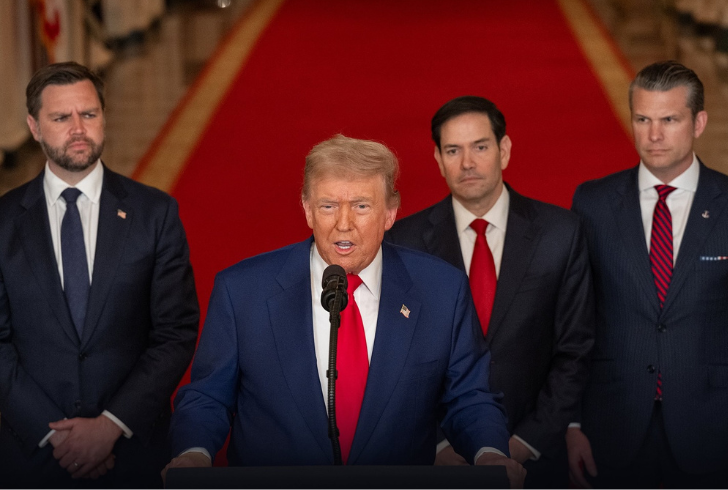
Instagram | realdonaldtrump | Trump’s plan to secure oil with contractors meets resistance from an unconvinced Exxon Mobil.
Reports indicate the Trump administration may consider using private military contractors to protect Venezuelan oil assets. However, some executives remain hesitant. The CEO of Exxon Mobil reportedly described Venezuela as “uninvestible” shortly after Maduro’s capture due to ongoing instability.
On the same day the Venezuelan law passed, the U.S. Treasury eased certain sanctions on Venezuela’s oil sector. A new general license allows U.S. companies to engage in specific operations with the Venezuelan government, including exporting, purchasing, storing, and transporting oil.
Trump also announced that U.S. commercial airspace over Venezuela would be “opened up.” Jorge Rodríguez credited this to diplomatic efforts led by his sister, calling it a positive step in peace negotiations.
Implications for the Oil Market
The new law and eased sanctions may attract foreign investment and increase oil production in Venezuela’s untapped fields. Challenges remain, such as political uncertainty and outdated infrastructure. Still, the reforms signal a shift in Venezuela’s approach to its energy resources.
By letting foreign companies operate independently, Venezuela aims to boost production, stabilize its economy, and strengthen its role in global energy markets. Meanwhile, tensions with Cuba and the U.S. continue to influence regional energy dynamics.
Opening the oil sector shows Venezuela’s intent to attract international capital and expertise while balancing relations with the U.S. For investors and importing countries, the development highlights both opportunities and risks in one of the world’s richest energy regions.
More in Criminal Attorney
-
 DOJ Reviews Over 5 Million Documents Related to Jeffrey Epstein
The Department of Justice (DOJ) is reviewing more than 5.2 million documents related to convicted sex offender Jeffrey Epstein. The review...
January 17, 2026 -
 Taylor Swift’s Viral Glitter Freckles Steal the Show in New ‘Life of a Showgirl’ Footage
Taylor Swift knows how to turn a small detail into a big moment. This time, it is a dusting of glitter...
January 11, 2026 -
 Did Barron Trump Apply to Harvard? Clearing Up the Rumors
Speculation often swirls around public figures, and in recent months Barron Trump’s college choices became part of the conversation. Questions surfaced...
January 10, 2026 -
 Nicotine Pouches Less Harmful Alternatives for Smokers, But Not Safe for All, Study
Nicotine pouches are having a moment. They are small, smokeless, and easy to hide. Many smokers see them as a cleaner...
January 4, 2026 -
 The “Eight-Second Rule” of Legal Brothels Most People Don’t Know About
When people talk about legal brothels, safety is rarely the first thing they picture. Most imagine chaos, risk, or a total...
December 28, 2025 -
 USF Law School Becomes First to Fully Embed AI in Legal Education
AI is no longer a distant tool for tech companies. At the University of San Francisco School of Law, it is...
December 24, 2025 -
 Comedian Russell Brand Faces Criminal Charges After Years of Allegations
Russell Brand has officially been charged with rape, indecent assault, and sexual assault, stemming from alleged incidents that took place between...
December 24, 2025 -
 Looking to Restart Exercising After a Break? Here’s How to Do It
Getting back into exercise after time off can feel harder than starting from scratch. Your body remembers movement, but it also...
December 21, 2025 -
 Why Celebrity Trials Are Becoming Cultural Spectacles
Celebrity trials aren’t just courtroom proceedings anymore—they’ve morphed into full-scale cultural spectacles. Livestreamed, sliced into viral clips, dissected on talk shows...
December 20, 2025
More From Lawyers Favorite
-
 Law DegreeColorado Law Bars Adult Prosecution for 11-YO Accused of Killing His Minor Brother
A quiet neighborhood in Centennial, Colorado, became the center of a heartbreaking investigation after a five-year-old boy was found dead inside...
March 29, 2026 -
 Legal AdviceHow to Handle Unpleasant Family Habits at Home Without Conflict
Family life isn’t always easy, particularly when someone’s habits start clashing with the way a household runs. From awkward bathroom routines...
March 29, 2026 -
 Criminal AttorneyBritney Spears Rep Calls DUI Arrest an “Inexcusable Incident”
Britney Spears has spent decades in the public eye, but the latest headline about the pop icon carries a serious tone....
March 22, 2026 -
 Law DegreeAtlanta Woman Arrested in $79K Fraud After Impersonating Sheriff Captain
Authorities in Florida recently exposed a disturbing fraud operation that relied on fear, impersonation, and digital money transfers. Investigators say a...
March 22, 2026 -
 Celeb JusticeGOP Senators Urge Justice Department to Release All Trump Epstein Files
Republican senators are turning up the pressure on the Justice Department. They want every document tied to Jeffrey Epstein released to...
March 15, 2026