
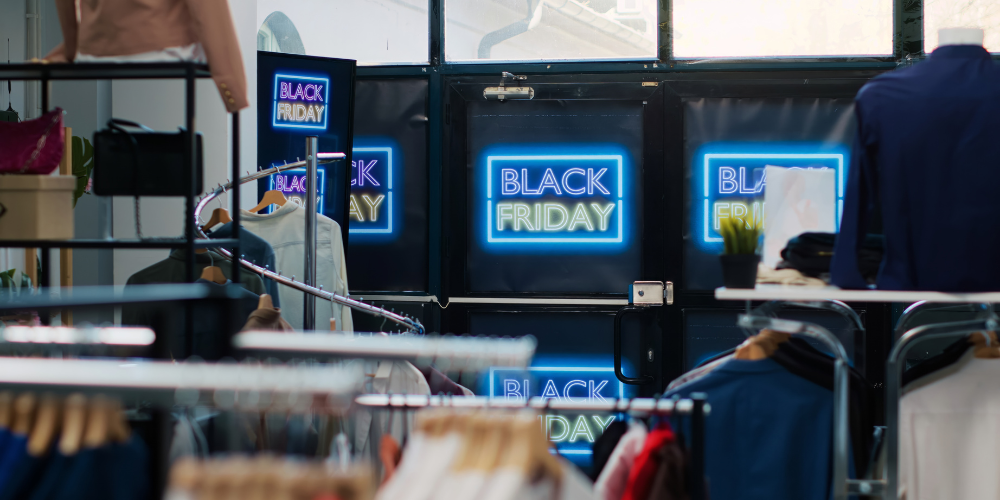
Why Black Friday Deals Don’t Feel as Special Anymore
Black Friday once symbolized a rush of excitement — predawn lines, doorbuster chaos and a sense that the year’s best prices lived on a single day. That image has faded. The shopping event still matters, but its character has shifted as consumer behavior, retailer strategies and the broader economy reshaped the experience.
What used to feel like a rare moment of extreme value now blends into a long stretch of promotions that start months before Thanksgiving weekend.
The Day That Lost Its Edge
Black Friday built its reputation on massive crowds, steep markdowns and a sense of urgency. The early morning stampedes at retailers such as Walmart and Kohl’s in the late 2000s reflected that culture. Shoppers flooded stores with the belief that the offers they chased were the lowest of the year.
Mark Cohen, former CEO of Sears Canada, described the shift bluntly: “The integrity of the event is pretty much gone.” He noted that past Black Friday pricing was unparalleled, but today’s promotions often get better as the holiday approaches. When nearly every day brings a new markdown, the idea of a one-day sale becomes harder to sustain.
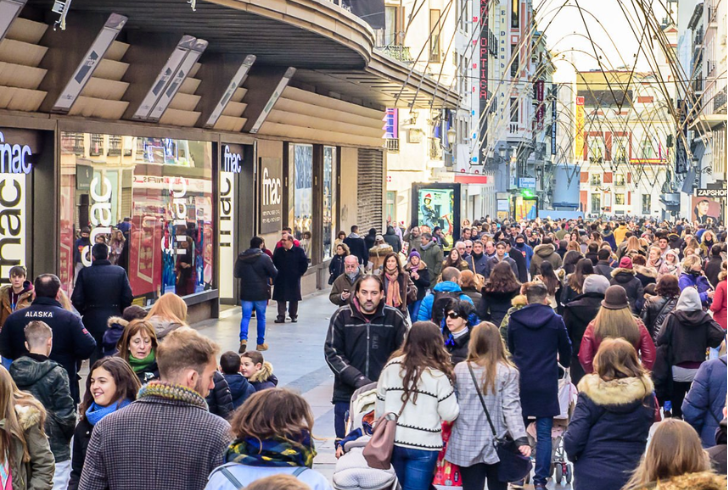
Freepik | Massive crowds and steep, urgent discounts created Black Friday’s historical culture and reputation.
Foot traffic numbers echo the change. Data from Placer.ai shows that store visits on Black Friday haven’t seen meaningful growth in recent years, even though they remain higher than the typical daily average. Many shoppers now stay home, relying on phones and laptops rather than camping outside a store.
How Consumer Habits Reshaped the Holiday
Retailers used to anchor the holiday season around the day after Thanksgiving. Now, Black Friday stretches across weeks due to shifts in how people prefer to shop.
1. More shoppers buy online than in stores during Black Friday and have done so for six consecutive years, according to the National Retail Federation.
2. Millennials and Generation X shoppers planning to make most of their purchases on the day have declined from 2023 to 2025, Bank of America Institute data shows.
3. Spending during the “Turkey 5” — Thanksgiving through Cyber Monday — has fallen nearly 13% between 2019 and 2024.
Online adoption surged during the pandemic, reducing the need for retailers to rely on one chaotic shopping day. Consumers also appreciate the ability to spread spending between November and December, a point highlighted by Georgia State University marketing professor Denish Shah.
Even the promotions themselves have become less convincing. Sonia Lapinsky of AlixPartners pointed out that “rampant discounting” across the season has made many shoppers wary. Some markdowns only appear steep because base prices were raised earlier. The constant cycle of sales weakened trust and chipped away at the urgency Black Friday depended on.
How Retailers Contributed to the Decline
In the 1980s and 1990s, pulling off a compelling Black Friday offer took months of planning. Retailers needed vendors to agree to deep cost cuts. They had to choose the exact product that would draw crowds, while protecting the secrecy of their plan to avoid tipping off competitors. Inventory had to be timed precisely to avoid shortages or overcrowded stores.
As Black Friday became more entrenched, retailers pushed for ways to extend the momentum. Opening hours crept earlier, eventually landing on Thanksgiving itself. Deals expanded from select doorbusters to entire departments. Cohen explained it simply: “To sustain the ride, they started to dilute it.”
Running massive in-store events for a single day also created staffing challenges. Tiffany Yeh from Boston Consulting Group noted that hiring for only one intense day is difficult. By spreading promotions over weeks, retailers can better train staff and maintain consistent support.
Today, many stores — including Walmart, Target and Kohl’s — launch seasonal deals in mid-November, followed by additional waves over the holiday weekend. Cyber Monday adds one more promotional surge. This structure keeps shoppers engaged but erodes the special status Black Friday once held.
Are the Deals Still Worth Chasing?

Freepik | Black Friday loses its pull due to repeated discounts and instant price comparisons.
The question continues to surface every year: are Black Friday deals actually good?
In many cases, promotions appear similar to earlier offers from the same brands. Gap, Levi Strauss and Under Armour rolled out Thanksgiving Day sales that matched the discounts presented earlier in the season. Cohen described modern urgency tactics as “kind of goofy and gone,” pointing out that many advertised deals feel like illusions rather than exceptional value.
Shoppers can compare prices across retailers in seconds, leading to greater skepticism. When nearly every brand pushes the same discount multiple times throughout fall and winter, Black Friday loses its unique pull.
New Reality of a Once-Epic Shopping Day
Black Friday still commands attention, and millions continue to shop in stores. Yet its identity has shifted. It no longer stands as a singular retail spectacle. Instead, it functions as one part of a long, steady promotional calendar shaped by online convenience, changing financial habits and an industry eager to distribute demand rather than funnel it into a single morning rush.
Black Friday’s evolution reflects broader changes in shopping culture. The event no longer represents a one-day pursuit of unmatched deals but fits into a season marked by rolling promotions and cautious consumers.
The shift wasn’t sudden — it happened as retailers stretched the holiday to maintain momentum, ultimately diluting the exclusivity that made the day legendary.
More in Uncategorized
-
 Here’s What Artists Should Know About Copyright & Its Implications
Copyright protects your art from the moment you create it. The second your drawing, painting, sculpture, or photo is fixed in...
September 27, 2025 -
 Everything to Know About Vogue America’s New Editor, Chloe Malle
Chloe Malle just stepped into one of the most powerful roles in fashion media: Head of Editorial Content at Vogue America....
September 21, 2025 -
 Did Barron Trump Apply to Harvard? Clearing Up the Rumors
Speculation often swirls around public figures, and in recent months Barron Trump’s college choices became part of the conversation. Questions surfaced...
September 20, 2025 -
 Can You Be Naked in Texas?
The Texas public nudity law isn’t as simple as “no clothes, you are in trouble.” It all comes down to intent,...
September 13, 2025 -
 Why AI Is Now a Necessity, Not a Choice, for Law Firms
Artificial intelligence is no longer a futuristic concept for the legal industry. It is steadily changing how law firms operate, not...
September 13, 2025 -
 Waikiki Lifeguard Cleared in Confrontation With Notorious Criminal
On a hot day at Kuhio Beach, veteran lifeguard Christopher Kekaulike Kam stepped in when things got out of control. A...
August 13, 2025 -
 Gawking at the Coldplay ‘Kiss Cam’ Affair Is Voyeurism at Its Worst!
Coldplay concerts are meant to be joyful. But during a recent show, a playful kiss cam bit turned into a public...
August 6, 2025 -
 Essential Safety and Success Resources for Trans Journalists
Trans journalists go through tough spaces every day. In a field that often tests your limits, knowing where to turn for...
July 30, 2025 -
 USF Law School Becomes First to Fully Embed AI in Legal Education
AI is no longer a distant tool for tech companies. At the University of San Francisco School of Law, it is...
July 23, 2025
More From Lawyers Favorite
-
 Sparkling“Keep Moving:” Morgan Freeman, 88, Reveals the Secret to Longevity
Morgan Freeman has captivated audiences for decades, and his secret to longevity is surprisingly simple. The Hollywood icon, 88, follows a...
December 14, 2025 -
 UncategorizedWhy Black Friday Deals Don’t Feel as Special Anymore
Black Friday once symbolized a rush of excitement — predawn lines, doorbuster chaos and a sense that the year’s best prices...
December 13, 2025 -
 SurprisingShakira and Sons Steal the Show at “Zootopia 2” Premiere
Shakira rarely slows down, but “Zootopia 2” handed the Colombian superstar something even better than another chart moment: time with her...
December 7, 2025 -
 FunniesRavens Dominate Dolphins (28-6) in Key Victory
The Baltimore Ravens achieved more than just a win on October 30, 2025. They made a strong statement on a national...
November 30, 2025 -
 Legal AdviceHow Freelancers Can Secure a Personal Loan Without a Salary Slip
Freelancers often hit a few extra hurdles when they try to qualify for a personal loan. Without a monthly salary slip...
November 30, 2025