
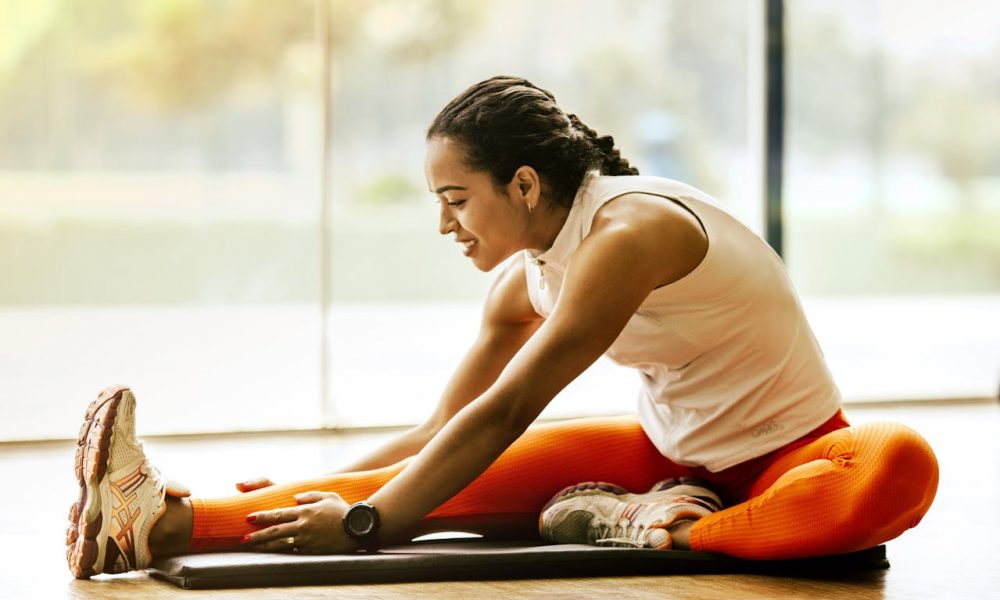
Looking to Restart Exercising After a Break? Here’s How to Do It
Getting back into exercise after time off can feel harder than starting from scratch. Your body remembers movement, but it also remembers stress, strain, and overload. The trick is to restart in a way that feels doable, not punishing.
A smart return sets you up for long-term success. Here is how you can do it with ease:
Start Slow and Ease In
Your body needs time to adapt again. Muscles, joints, and tendons lose conditioning faster than you think. Jumping back into hard workouts invites soreness, frustration, and injury.
Begin with short sessions that feel almost too easy. A ten-minute walk. A few gentle strength moves. Leave the workout feeling good, not wrecked. That restraint pays off fast.
Focus on Form Before Anything Else

Master / Pexels / Perfect form matters more now than ever. Sloppy movement puts stress where it does not belong. Clean reps rebuild muscle memory and protect your joints.
Slow things down. Pay attention to posture, breathing, and control. Add dynamic warmups like arm circles or leg swings to wake your body up and improve range of motion.
Consistency beats effort every time. A short workout done often changes your body more than one long session done once. Habits matter more than hero workouts.
Commit to showing up regularly, even on low-energy days. Ten minutes count. One rule helps a lot: Never skip two days in a row. Momentum builds that way quickly.
Listen to Your Body and Respect Recovery
Some soreness is normal. Sharp pain or deep fatigue is not. Your body gives feedback constantly, and ignoring it slows progress.
Sleep well. Drink water. Eat enough protein. Schedule rest days without guilt. After workouts, a small snack with carbs and protein helps muscles repair and recharge.
Make Exercise Fun and Social
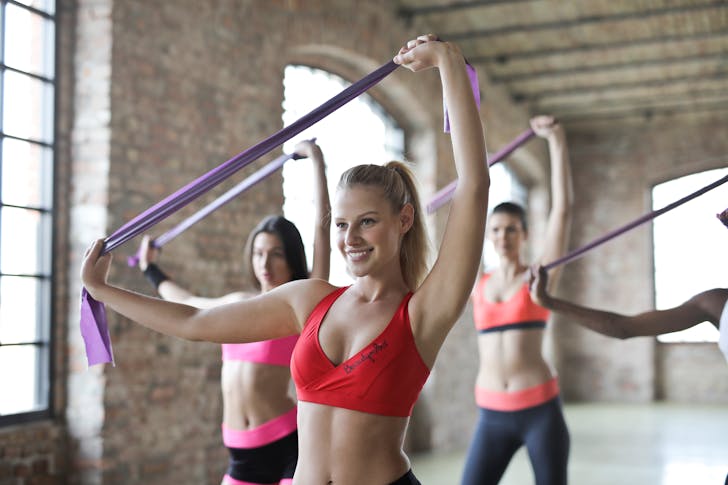
Olly / Pexels / Enjoyment keeps people consistent. If you hate the workout, you will avoid it. Choose activities you actually like, walking outdoors, dancing, swimming, or light gym sessions.
Working out with a friend helps too. Accountability makes showing up easier. Apps, step challenges, or simple streak tracking can also turn effort into something playful.
Walking is one of the best ways to restart exercise. It is simple, effective, and gentle on the body. Start with ten to thirty minutes at a brisk but comfortable pace.
As weeks pass, increase time or add short faster intervals. Hills add challenge without pounding. Cycling, swimming, and elliptical training work well too.
Before lifting heavy, relearn basic movement patterns. Bodyweight exercises build strength while protecting joints and tendons.
Squats, modified push-ups, glute bridges, lunges, and planks are enough. Keep reps controlled. Two to three sets per move builds a solid base without overload.
Use Pilates or Yoga to Reset Your Body
Pilates and yoga are excellent for a return phase. They improve core strength, balance, posture, and flexibility all at once.
Even one or two sessions per week can make other workouts feel easier. These methods train control and awareness, which often fade during long breaks.
Structure removes guesswork. A clear plan prevents you from doing too much too soon. It also reduces decision fatigue.
A basic four-week plan works well. Include three full-body strength days and light cardio on other days. Progress slowly and keep sessions short.
Add Challenge Gradually
Once exercise feels routine again, start increasing difficulty in small steps. This is how the body adapts safely.
Add one or two reps. Extend time slightly. Shorten rest periods. Light dumbbells or bands come later. Small changes stack up fast.
More in Useful
-
 Useful Hygiene Tips for Bulk Bin Shopping Everyone Should Know
Bulk bins look friendly and eco-smart. They save money, cut packaging, and let you buy exactly what you need. They also...
January 18, 2026 -
 DOJ Reviews Over 5 Million Documents Related to Jeffrey Epstein
The Department of Justice (DOJ) is reviewing more than 5.2 million documents related to convicted sex offender Jeffrey Epstein. The review...
January 17, 2026 -
 Taylor Swift’s Viral Glitter Freckles Steal the Show in New ‘Life of a Showgirl’ Footage
Taylor Swift knows how to turn a small detail into a big moment. This time, it is a dusting of glitter...
January 11, 2026 -
 Did Barron Trump Apply to Harvard? Clearing Up the Rumors
Speculation often swirls around public figures, and in recent months Barron Trump’s college choices became part of the conversation. Questions surfaced...
January 10, 2026 -
 Nicotine Pouches Less Harmful Alternatives for Smokers, But Not Safe for All, Study
Nicotine pouches are having a moment. They are small, smokeless, and easy to hide. Many smokers see them as a cleaner...
January 4, 2026 -
 The “Eight-Second Rule” of Legal Brothels Most People Don’t Know About
When people talk about legal brothels, safety is rarely the first thing they picture. Most imagine chaos, risk, or a total...
December 28, 2025 -
 USF Law School Becomes First to Fully Embed AI in Legal Education
AI is no longer a distant tool for tech companies. At the University of San Francisco School of Law, it is...
December 24, 2025 -
 Comedian Russell Brand Faces Criminal Charges After Years of Allegations
Russell Brand has officially been charged with rape, indecent assault, and sexual assault, stemming from alleged incidents that took place between...
December 24, 2025 -
 Why Celebrity Trials Are Becoming Cultural Spectacles
Celebrity trials aren’t just courtroom proceedings anymore—they’ve morphed into full-scale cultural spectacles. Livestreamed, sliced into viral clips, dissected on talk shows...
December 20, 2025
More From Lawyers Favorite
-
 Law DegreeColorado Law Bars Adult Prosecution for 11-YO Accused of Killing His Minor Brother
A quiet neighborhood in Centennial, Colorado, became the center of a heartbreaking investigation after a five-year-old boy was found dead inside...
March 29, 2026 -
 Legal AdviceHow to Handle Unpleasant Family Habits at Home Without Conflict
Family life isn’t always easy, particularly when someone’s habits start clashing with the way a household runs. From awkward bathroom routines...
March 29, 2026 -
 Criminal AttorneyBritney Spears Rep Calls DUI Arrest an “Inexcusable Incident”
Britney Spears has spent decades in the public eye, but the latest headline about the pop icon carries a serious tone....
March 22, 2026 -
 Law DegreeAtlanta Woman Arrested in $79K Fraud After Impersonating Sheriff Captain
Authorities in Florida recently exposed a disturbing fraud operation that relied on fear, impersonation, and digital money transfers. Investigators say a...
March 22, 2026 -
 Celeb JusticeGOP Senators Urge Justice Department to Release All Trump Epstein Files
Republican senators are turning up the pressure on the Justice Department. They want every document tied to Jeffrey Epstein released to...
March 15, 2026