
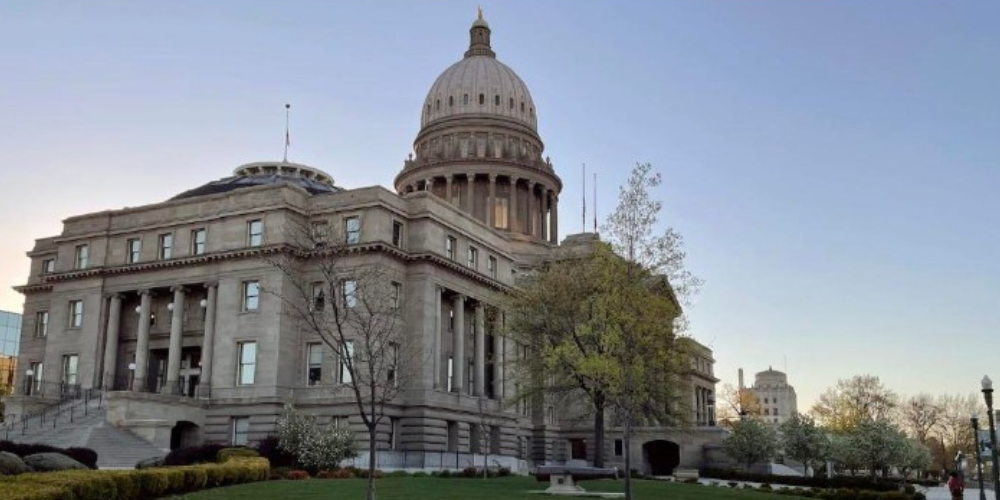
Idaho Bathroom Law Faces Federal Lawsuit by Transgender Residents
A new Idaho law restricting restroom access has triggered a federal court challenge from transgender residents who say it places daily life under strain. The lawsuit, filed in Boise, brings national attention to how public facility rules intersect with personal identity and legal protections.
Six residents are now asking a federal judge to strike down the measure, arguing it exposes them to criminal penalties simply for using restrooms aligned with their gender identity. The case has drawn strong legal backing and sparked debate across the state.
Lawsuit Filed in Boise
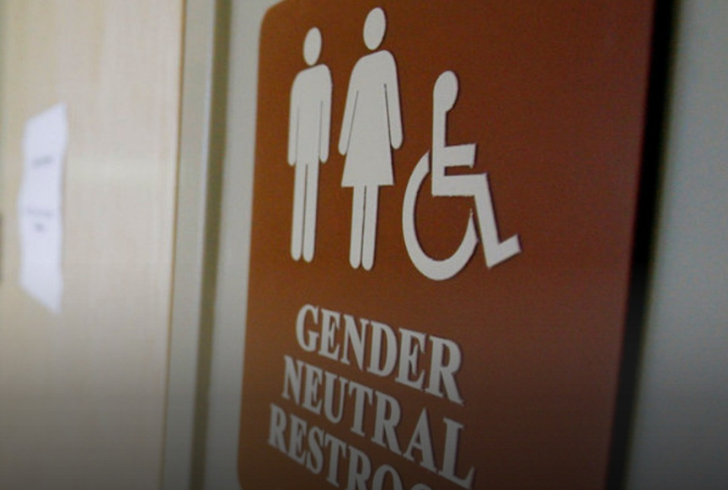
Instagram | idahonews6 | Transgender Idahoans are suing the state over a new law that restricts their access to public restrooms.
The legal complaint was submitted by six Idaho residents: Diego Fable, Amelia Milette, Emilie Jackson-Edney, Daniel Doe, Peter Poe, and Zoey Wagner. They are represented by the American Civil Liberties Union (ACLU), its Idaho affiliate, Lambda Legal, along with legal teams from Munger, Tolles & Olson and Alturas Law Group.
Filed in federal court in Boise, the lawsuit challenges the state’s authority to enforce bathroom restrictions inside both public buildings and private businesses. The plaintiffs argue the law creates a situation where everyday activities become legally risky.
Legal representatives stated in the filing that “like any non-transgender Idahoans … [they] need to use restrooms while they are in public,” stressing that the law places individuals at risk of “life-changing criminal penalties or physical and psychological harm” for routine restroom use.
What the Law Says
Governor Brad Little signed H.B. 752 after approval from Idaho’s Republican-led Legislature. The law introduces criminal penalties tied to restroom usage based on sex designation.
Key provisions include:
1. Using a restroom designated for the “opposite sex” knowingly can lead to a misdemeanor charge
2. First offense: up to one year in county jail
3. Second offense: felony charge with up to five years in prison
4. Applies not only to government buildings but also private businesses open to the public
The scope of the law extends across everyday spaces such as shopping centers, hospitals, libraries, airports, gas stations, and rest stops. It is scheduled to take effect on July 1 and stands out nationally for including private establishments under its enforcement reach.
Voices and Concerns
For plaintiff Diego Fable, the law quickly became a source of daily anxiety. “I felt a heavy lump grow in my chest,” Fable said in a statement shared through the ACLU. He explained that even simple activities outside his home became difficult. He often wondered whether following the law meant using facilities that did not match his identity. In some cases, he had to travel longer distances just to avoid legal risks.
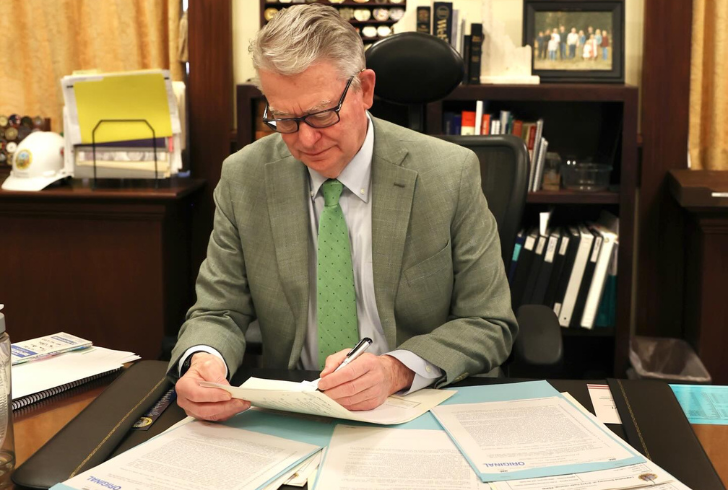
Instagram | governorbradlittle | H.B. 752, signed by Governor Little, imposes criminal penalties for sex-based restroom violations in Idaho.
Fable, who transitioned six years ago, added that using men’s restrooms has generally not created issues. However, the new restrictions would force a shift that could bring unwanted attention. “Doing so would only invite suspicion, questions, and raised eyebrows,” he said, noting that isolation could become part of everyday life.
Law enforcement groups also raised concerns during the bill’s discussion. The Idaho Fraternal Order of Police and the Idaho Chiefs of Police Association said there is no clear or practical way to determine a person’s sex in field situations. Doing so could require invasive checks or uncomfortable questioning.
State Representative Cornel Rasor, who sponsored the bill, defended its intent during legislative debate. He said it aims to “prevent discomfort and voyeurism escalation and assaults,” while still allowing emergency access and limited exceptions.
As the law nears its effective date, a federal court will decide if it follows constitutional protections. The case puts Idaho’s policy under close review. The arguments focus on safety, privacy, and civil rights in shared public spaces.
More in Criminal Attorney
-
 Brooklyn Beckham’s Billionaire Father-in-Law Breaks Silence on the Family Feud
The Beckham family drama just took another sharp turn. This time, the voice cutting through the noise belongs to billionaire investor...
February 22, 2026 -
 Notre Dame Faces Faculty Resigns After Controversial Appointment
Tension is rising at the University of Notre Dame after two scholars cut formal ties with the Liu Institute for Asia...
February 22, 2026 -
 High Court Upholds Malay Celeb Preacher Da’i Syed’s Rape Conviction
The Shah Alam High Court has spoken, and it spoke clearly. Celebrity preacher Da’i Syed will go to prison now, not...
February 15, 2026 -
 Venezuela Opens Oil Industry as U.S. Threatens Cuba Tariffs
Venezuela has passed a significant law change aimed at opening its oil industry to foreign investment. The move, endorsed by acting...
February 15, 2026 -
 Is a ChatGPT-Written Will Legal?
At first glance, using AI to draft a will seems like a smart idea. It’s fast, free, and has a modern...
February 6, 2026 -
 Prince Harry Supports Elizabeth Hurley in Tabloid Privacy Case
London’s High Court became the center of attention as Prince Harry appeared in support of Elizabeth Hurley during an emotional hearing...
February 6, 2026 -
 5 Ways AI Is Transforming Daily Legal Workflows
AI did not storm into law firms with fireworks. It slipped in through contracts, research tabs, inboxes, and meeting notes. By...
February 1, 2026 -
 How to Legally Protect Your Side Hustle Without Spending a Fortune
Starting a side hustle is a practical way to test a business idea, generate extra income, or lay the foundation for...
February 1, 2026 -
 Mayor Zohran Mamdani Appoints Christine Clarke as Human Rights Chair
On January 7, 2026, during his first full week in office, Zohran Mamdani made a move that set the tone for...
January 25, 2026
More From Lawyers Favorite
-
 Criminal AttorneyUS Supreme Court Limits Sentence Reductions for Federal Prisoners
The U.S. Supreme Court has issued a major ruling that reshapes how far prison reform laws can reach into past sentencing....
June 12, 2026 -
 Celeb JusticeInside Ex-Prince Andrew’s “Bleak” Life in Exile as New Claims Emerge
Once positioned near the center of Britain’s royal institution, Andrew Mountbatten-Windsor now faces a reality far removed from palace ceremonies and...
June 6, 2026 -
 Legal AdviceU.S. Lawmakers Push Bill to Expand Burn Pit Benefits to Civilian Workers
A bipartisan group of U.S. lawmakers has introduced a draft proposal aimed at expanding workers’ compensation access for civilian federal employees...
May 30, 2026 -
 Law DegreePentagon AI Use in War Raises Questions on Legal Limits and Accountability
AI has moved from support tools in defense operations to a central part of how modern warfare is conducted. In the...
May 22, 2026 -
 Criminal AttorneyIdaho Bathroom Law Faces Federal Lawsuit by Transgender Residents
A new Idaho law restricting restroom access has triggered a federal court challenge from transgender residents who say it places daily...
May 15, 2026