
Zuckerberg to Track Non-Facebook Users Sparks Privacy Concerns!
Mark Zuckerberg has been under fire ever since the issue of Cambridge Analytica scandal exploded. The said scandal claimed to affect millions of Facebook users worldwide where their data was scraped and used to influence the outcome of the recent 2016 US Elections.
Aside from its investors pulling out their investments, some loyal users also stopped using Facebook for a while due to privacy concerns. And it didn’t help to ease their concerns when they discovered that Facebook is planning to compile a data of people who haven’t signed up on the popular social media platform.

Vice President for Center for Democracy and Technology Chris Calabrese lamented Facebook for continuing data and information gathering on its users
Invasion of Privacy
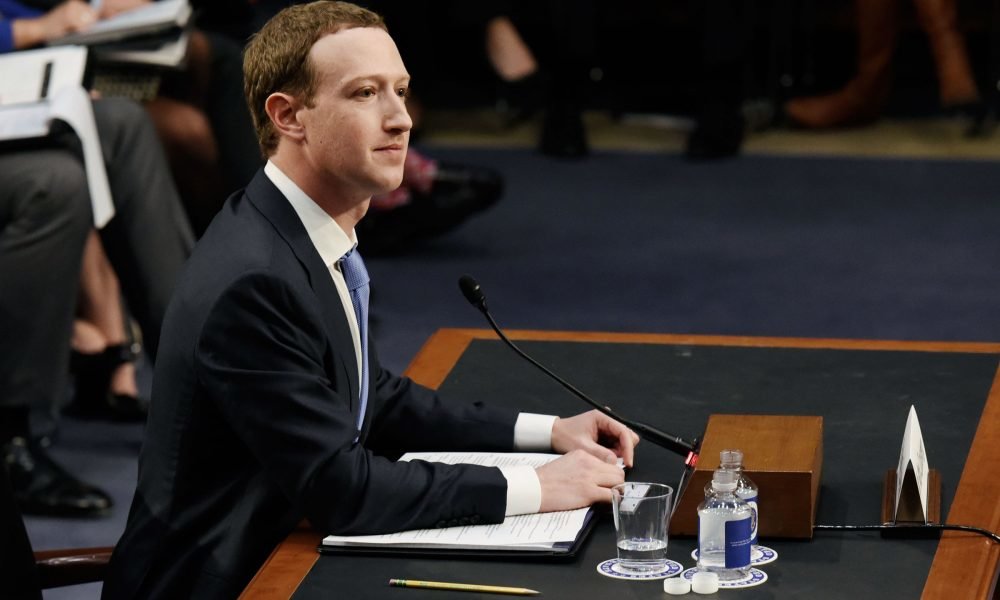
Last Wednesday, Zuckerberg answered U.S. Representative Ben Luján’s questions and stated that as part of their security contingency measures, Facebook plans to gather the data of people who haven’t signed up on their social media site. As soon as he uttered the statement, several lawmakers and privacy advocates protested the said practice proposal instantly. Luján promptly replied to Mark to fix it.
He reiterated that Facebook didn’t disclose the unclear effects of data gathering and its ability to target ads. Zuckerberg failed to respond to his query. But two days later, Facebook said it didn’t have any plans to build such a tool, nor would it ever think to do so. The Critics also questioned Zuckerberg about the purpose of getting that information, and for what purpose he intends to use it for.
How Facebook Collects Your Data?
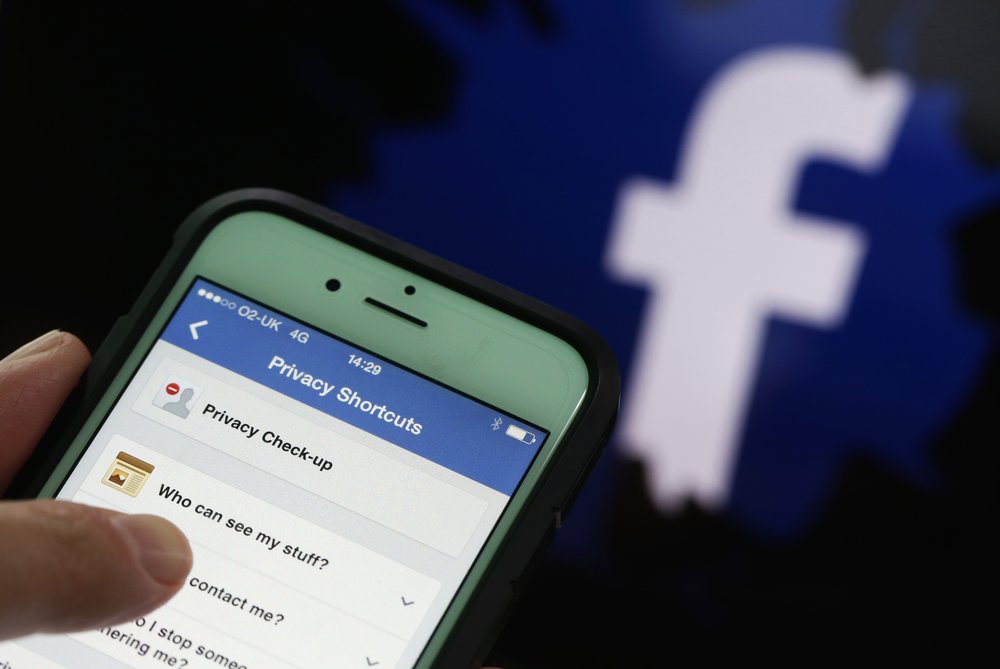
People may opt out from data collection by setting their browser and device settings to delete cookies. You can also configure this setting on your accounts on other social media platforms
The giant social media platform can collect its non-users data by viewing its people’s network. For example, if a user uploads the email addresses of their friends. Facebook can then look into the data to determine whether a user has created an account or not. Aside from this, Facebook can collect data from “cookies”, which is a small file stored in the browser. It then uses these cookies to track people on the internet, study their behavioral pattern to match and target the perfect ads for them.
However, Facebook undermines these accusations asserting that this process of data collection is fundamental to how the Internet works. Moreover, when a particular site integrates Facebook’s likes, comments, and share buttons on its webpage, it can use the said browsing data to create analytics reports and traffic report. The company further said that it does not use the data to target ads. However, they only use it when people invite their friends in joining Facebook.
Privacy Advocates Demand Clarification From Facebook
It’s been over a month, but Facebook’s privacy scandal has yet to subside. Several prominent privacy advocates state they’ll continue to criticize Zuckerberg until he clears the said issue and reveals the extent and reasons for tracking user’s data.

The American Civil Liberties Union Senior Staff Technologist Daniel Kahn Gillmor commented that their Mark misunderstood some of the lawmaker’s questions or he had no idea of the actual operations happening inside Facebook based on his answers in the last Senate Hearing.
Gillmor was referring to one instance where Zuckerberg claimed the data collection was done for security reasons. However, he refused to state further whether the data was also used for analytics, measurements, and target ads purposes. Moreover, the Facebook staff also declined to elaborate Zuckerberg’s comment. Meanwhile, the ACLU urged the U.S. lawmakers to implement a broad privacy legislation to protect the user’s data. It also aims to include getting consent from users before allowing a website to conduct data collection.
Gillmor also added how this challenge is still the beginning for Facebook, citing a similar bill in European Union law entitled General Data Protection Regulation (GDPR). Furthermore, a Northeastern University professor of Computer Science Woodrow Hartzog encourages Facebook to restructure their technology and algorithms to enable a notification feature to let users know their information is being used. However, Facebook defended that their products and services already comply with existing laws and shall also conform to the incoming GDPR and broader privacy legislation.
More in Criminal Attorney
-
 How to Secure a Government Job During Budget Cuts
Federal hiring slows down when budgets tighten, yet it never stops completely. Agencies still need analysts, advisors, and policy staff to...
March 1, 2026 -
 Brooklyn Beckham’s Billionaire Father-in-Law Breaks Silence on the Family Feud
The Beckham family drama just took another sharp turn. This time, the voice cutting through the noise belongs to billionaire investor...
February 22, 2026 -
 Notre Dame Faces Faculty Resigns After Controversial Appointment
Tension is rising at the University of Notre Dame after two scholars cut formal ties with the Liu Institute for Asia...
February 22, 2026 -
 High Court Upholds Malay Celeb Preacher Da’i Syed’s Rape Conviction
The Shah Alam High Court has spoken, and it spoke clearly. Celebrity preacher Da’i Syed will go to prison now, not...
February 15, 2026 -
 Venezuela Opens Oil Industry as U.S. Threatens Cuba Tariffs
Venezuela has passed a significant law change aimed at opening its oil industry to foreign investment. The move, endorsed by acting...
February 15, 2026 -
 Is a ChatGPT-Written Will Legal?
At first glance, using AI to draft a will seems like a smart idea. It’s fast, free, and has a modern...
February 6, 2026 -
 Prince Harry Supports Elizabeth Hurley in Tabloid Privacy Case
London’s High Court became the center of attention as Prince Harry appeared in support of Elizabeth Hurley during an emotional hearing...
February 6, 2026 -
 5 Ways AI Is Transforming Daily Legal Workflows
AI did not storm into law firms with fireworks. It slipped in through contracts, research tabs, inboxes, and meeting notes. By...
February 1, 2026 -
 How to Legally Protect Your Side Hustle Without Spending a Fortune
Starting a side hustle is a practical way to test a business idea, generate extra income, or lay the foundation for...
February 1, 2026
More From Lawyers Favorite
-
 Criminal AttorneyUS Supreme Court Limits Sentence Reductions for Federal Prisoners
The U.S. Supreme Court has issued a major ruling that reshapes how far prison reform laws can reach into past sentencing....
June 12, 2026 -
 Celeb JusticeInside Ex-Prince Andrew’s “Bleak” Life in Exile as New Claims Emerge
Once positioned near the center of Britain’s royal institution, Andrew Mountbatten-Windsor now faces a reality far removed from palace ceremonies and...
June 6, 2026 -
 Legal AdviceU.S. Lawmakers Push Bill to Expand Burn Pit Benefits to Civilian Workers
A bipartisan group of U.S. lawmakers has introduced a draft proposal aimed at expanding workers’ compensation access for civilian federal employees...
May 30, 2026 -
 Law DegreePentagon AI Use in War Raises Questions on Legal Limits and Accountability
AI has moved from support tools in defense operations to a central part of how modern warfare is conducted. In the...
May 22, 2026 -
 Criminal AttorneyIdaho Bathroom Law Faces Federal Lawsuit by Transgender Residents
A new Idaho law restricting restroom access has triggered a federal court challenge from transgender residents who say it places daily...
May 15, 2026