
Deepfaked and Defrauded: What You Can Do if You Fall Victim to a Deepfake Scam
The digital landscape is constantly evolving, and with it, so too are the tactics of malicious actors. Deepfakes, hyper-realistic synthetic media created using artificial intelligence, pose a growing threat, not just to celebrities and public figures, but also to everyday individuals.
Earlier this year, a company in Hong Kong became the unfortunate victim of a sophisticated deepfake scam, losing a staggering $40 million after an employee was tricked into transferring funds following a video conference call with seemingly real company officials. This incident serves as a stark reminder of the potential dangers of deepfakes and the need for both individuals and institutions to be aware of the risks and prepared to address them.
Understanding Deepfake Scams: How Do They Work?

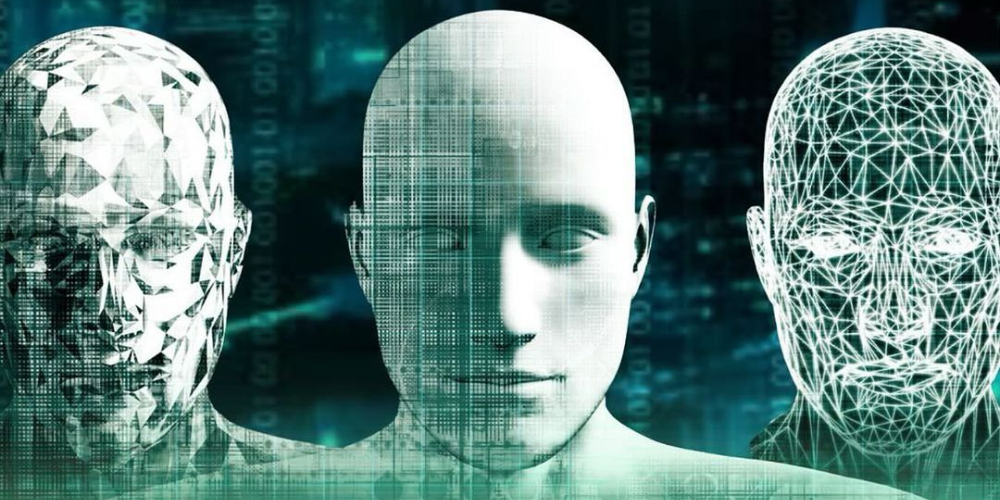
Freepik | Deepfakes use AI to manipulate video and audio recordings.
Deepfakes leverage the power of artificial intelligence to manipulate existing video and audio recordings, creating realistic portrayals of individuals saying or doing things they never did. Scammers can utilize this technology to impersonate trusted individuals, such as company CEOs, family members, or even romantic interests, in order to deceive victims into parting with money or sensitive information.
The Hong Kong case exemplifies a common tactic used in deepfake scams: push payment fraud. In this scenario, the scammer doesn’t attempt to bypass security systems; instead, they manipulate the victim into willingly initiating a payment or transfer. In the Hong Kong case, the employee was likely tricked into believing they were communicating with legitimate company officials, leading them to authorize the fraudulent transaction.
The Legal Maze: Who’s Accountable?

Freepik | Social Media Platforms often claim they’re not responsible for user-generated deepfake content.
The unfortunate reality is that the legal landscape surrounding deepfakes remains in its infancy. This presents significant challenges for individuals seeking recourse after falling victim to a deepfake scam. Here’s a breakdown of potential avenues for seeking compensation, each with its own complexities:
-
The Scammer: Unfortunately, due to the often-transnational nature of these scams, tracking down and holding the perpetrator accountable can be incredibly difficult, if not impossible.
-
Social Media Platforms: Platforms hosting the deepfake content might seem like an obvious target, but they often shield themselves under the guise of “mere conduits,” claiming they’re not responsible for user-generated content. However, there’s a growing push for platforms to take a more proactive stance in tackling deepfakes, especially when they’re used for malicious purposes.
-
Banks: Whether banks are liable for reimbursing victims of deepfake scams is a point of ongoing legal debate. While banks generally have a duty to act promptly upon discovering fraudulent activity, the onus ultimately falls on the individual to verify the legitimacy of transactions before authorization.
-
AI Tool Providers: Currently, there’s no legal obligation for companies developing the technology behind deepfakes to implement safeguards against fraudulent use. However, this is likely to change as regulations evolve to address the growing concerns surrounding deepfakes.
The Road Forward: Combating Deepfakes
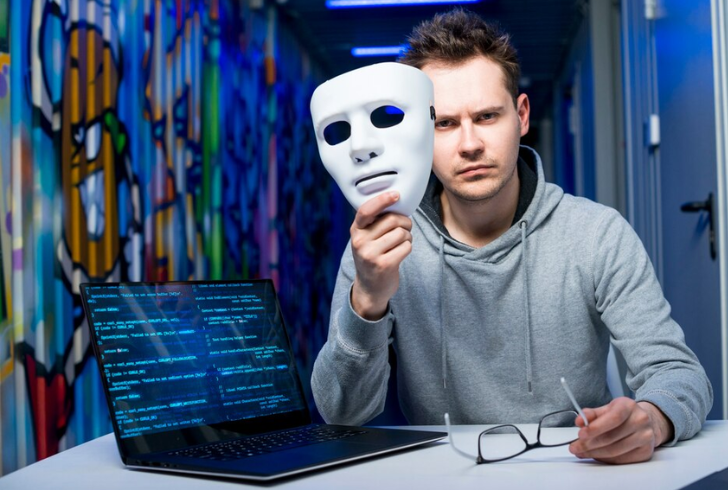
Freepik | Developers are researching ways to counter deepfakes.
While the legal landscape may seem daunting, there are several ongoing efforts to combat deepfakes and mitigate the risks they pose:
-
Technical Solutions: Developers are exploring various methods to combat deepfakes, including digital watermarks to identify synthetic content and prompt limitations to restrict the creation of overly realistic deepfakes.
-
Regulation: The European Union is at the forefront of regulatory efforts with the proposed AI Act, which mandates that deepfake tools be designed for easy detection of synthetic content.
-
Individual Vigilance: As individuals, staying informed about deepfakes and exercising caution when engaging in online interactions remains crucial. Practicing healthy skepticism and verifying information before taking action can go a long way in protecting yourself from falling victim to a scam.
Staying Ahead of the Curve
Deepfakes represent a complex and evolving challenge. While the legal landscape is still catching up, there are ongoing efforts to develop technical solutions and regulations to mitigate the risks.
As individuals, staying informed and exercising caution remain vital tools in the fight against deepfake scams. By working together, we can create a safer and more responsible online environment for everyone.
More in Law Degree
-
 How to Secure a Government Job During Budget Cuts
Federal hiring slows down when budgets tighten, yet it never stops completely. Agencies still need analysts, advisors, and policy staff to...
March 1, 2026 -
 Brooklyn Beckham’s Billionaire Father-in-Law Breaks Silence on the Family Feud
The Beckham family drama just took another sharp turn. This time, the voice cutting through the noise belongs to billionaire investor...
February 22, 2026 -
 Notre Dame Faces Faculty Resigns After Controversial Appointment
Tension is rising at the University of Notre Dame after two scholars cut formal ties with the Liu Institute for Asia...
February 22, 2026 -
 High Court Upholds Malay Celeb Preacher Da’i Syed’s Rape Conviction
The Shah Alam High Court has spoken, and it spoke clearly. Celebrity preacher Da’i Syed will go to prison now, not...
February 15, 2026 -
 Venezuela Opens Oil Industry as U.S. Threatens Cuba Tariffs
Venezuela has passed a significant law change aimed at opening its oil industry to foreign investment. The move, endorsed by acting...
February 15, 2026 -
 Is a ChatGPT-Written Will Legal?
At first glance, using AI to draft a will seems like a smart idea. It’s fast, free, and has a modern...
February 6, 2026 -
 Prince Harry Supports Elizabeth Hurley in Tabloid Privacy Case
London’s High Court became the center of attention as Prince Harry appeared in support of Elizabeth Hurley during an emotional hearing...
February 6, 2026 -
 5 Ways AI Is Transforming Daily Legal Workflows
AI did not storm into law firms with fireworks. It slipped in through contracts, research tabs, inboxes, and meeting notes. By...
February 1, 2026 -
 How to Legally Protect Your Side Hustle Without Spending a Fortune
Starting a side hustle is a practical way to test a business idea, generate extra income, or lay the foundation for...
February 1, 2026
More From Lawyers Favorite
-
 Criminal AttorneyUS Supreme Court Limits Sentence Reductions for Federal Prisoners
The U.S. Supreme Court has issued a major ruling that reshapes how far prison reform laws can reach into past sentencing....
June 12, 2026 -
 Celeb JusticeInside Ex-Prince Andrew’s “Bleak” Life in Exile as New Claims Emerge
Once positioned near the center of Britain’s royal institution, Andrew Mountbatten-Windsor now faces a reality far removed from palace ceremonies and...
June 6, 2026 -
 Legal AdviceU.S. Lawmakers Push Bill to Expand Burn Pit Benefits to Civilian Workers
A bipartisan group of U.S. lawmakers has introduced a draft proposal aimed at expanding workers’ compensation access for civilian federal employees...
May 30, 2026 -
 Law DegreePentagon AI Use in War Raises Questions on Legal Limits and Accountability
AI has moved from support tools in defense operations to a central part of how modern warfare is conducted. In the...
May 22, 2026 -
 Criminal AttorneyIdaho Bathroom Law Faces Federal Lawsuit by Transgender Residents
A new Idaho law restricting restroom access has triggered a federal court challenge from transgender residents who say it places daily...
May 15, 2026