

Is It Legal to Prune Your Neighbor’s Tree? Here’s What You Should Know
Trees do not respect property lines. Branches stretch across fences, roots push under patios, and leaves clog gutters all fall long. It feels like your yard, so you should be able to cut what hangs over it, right? Not so fast. The law gives you some rights, but it also sets clear limits. One wrong cut can cost you thousands, spark a lawsuit, or wreck a good neighbor relationship.
Here is what you need to know before you grab the pruning saw:
The ‘Self-Help Rule,’ and Where It Stops

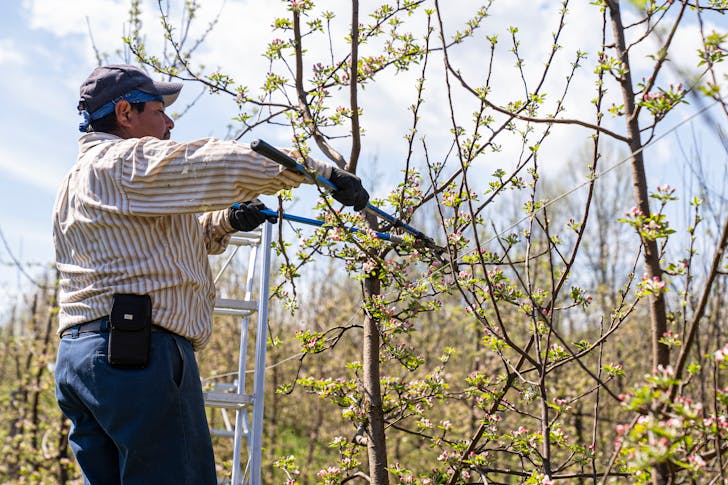
William / Pexels / Most states follow what lawyers call the ‘self-help rule.’ This rule lets you trim branches and roots that cross into your property.
You can usually cut them back to the property line without asking first.
That sounds simple, but there is a catch. You cannot step onto your neighbor’s land to do the work without permission. You also cannot damage the tree in the process, even if the part you cut hangs over your yard.
If your pruning weakens the tree, causes disease, or leads to its death, you could be on the hook. Courts often see trees as valuable property, not just landscaping. A large, mature oak can be worth far more than you think.
Judges look at the impact of your actions, not your intentions. If your trimming makes the tree unstable and it later falls, you may be blamed for the damage. That includes damage to homes, cars, or power lines.
Protected Trees and Local Laws
Before you make the first cut, check your local rules. Some trees are protected by city ordinances or special designations. In certain areas, you need a permit to prune specific species or trees over a certain size.
Some neighborhoods have homeowners’ association rules that limit tree work. These rules can require approval before major trimming. Ignoring them can lead to fines or forced restoration.
In the United Kingdom, for example, a tree may be covered by a Tree Preservation Order. Under the Wildlife and Countryside Act 1981, damaging active bird nests is a criminal offense. Similar wildlife protection laws exist in many parts of the United States.
Bird nesting season creates another layer of risk. Cutting branches with active nests can lead to legal trouble. Even if you are trimming only your side, you still must avoid harming protected wildlife.
Boundary trees bring more complications. If a tree trunk sits directly on the property line, it is usually considered jointly owned. In that case, you cannot prune or remove it without your neighbor’s agreement.
Before You Cut, Talk First
NC / Pexels / Legal rights do not replace common sense. A quick conversation can save months of tension and legal bills. Many disputes start not because of the tree, but because no one talked.
Start with a calm approach. Explain the issue clearly, such as branches scraping your roof or roots lifting your driveway. Keep the focus on the problem, not on blame.
You might find that your neighbor is willing to split the cost of a professional arborist. A licensed arborist knows how to prune safely without harming the tree. That protects both properties and reduces liability.
For bigger jobs, put the agreement in writing. A simple document that explains what will be cut and who will pay can prevent future arguments. Written consent shows good faith if questions come up later.
Improper pruning can trigger serious consequences. If a court finds that you harmed the tree, you may owe damages. In some states, judges can award up to three times the value of the tree for intentional harm.
Remember, tree value is not just the price of a sapling at a garden center. Experts assess size, age, species, and impact on property value. A mature ornamental tree can be valued in the tens of thousands.
More in Legal Advice
-
 Brooklyn Beckham’s Billionaire Father-in-Law Breaks Silence on the Family Feud
The Beckham family drama just took another sharp turn. This time, the voice cutting through the noise belongs to billionaire investor...
February 22, 2026 -
 Notre Dame Faces Faculty Resigns After Controversial Appointment
Tension is rising at the University of Notre Dame after two scholars cut formal ties with the Liu Institute for Asia...
February 22, 2026 -
 High Court Upholds Malay Celeb Preacher Da’i Syed’s Rape Conviction
The Shah Alam High Court has spoken, and it spoke clearly. Celebrity preacher Da’i Syed will go to prison now, not...
February 15, 2026 -
 Venezuela Opens Oil Industry as U.S. Threatens Cuba Tariffs
Venezuela has passed a significant law change aimed at opening its oil industry to foreign investment. The move, endorsed by acting...
February 15, 2026 -
 Is a ChatGPT-Written Will Legal?
At first glance, using AI to draft a will seems like a smart idea. It’s fast, free, and has a modern...
February 6, 2026 -
 Prince Harry Supports Elizabeth Hurley in Tabloid Privacy Case
London’s High Court became the center of attention as Prince Harry appeared in support of Elizabeth Hurley during an emotional hearing...
February 6, 2026 -
 5 Ways AI Is Transforming Daily Legal Workflows
AI did not storm into law firms with fireworks. It slipped in through contracts, research tabs, inboxes, and meeting notes. By...
February 1, 2026 -
 How to Legally Protect Your Side Hustle Without Spending a Fortune
Starting a side hustle is a practical way to test a business idea, generate extra income, or lay the foundation for...
February 1, 2026 -
 Mayor Zohran Mamdani Appoints Christine Clarke as Human Rights Chair
On January 7, 2026, during his first full week in office, Zohran Mamdani made a move that set the tone for...
January 25, 2026
More From Lawyers Favorite
-
 Criminal AttorneyUS Supreme Court Limits Sentence Reductions for Federal Prisoners
The U.S. Supreme Court has issued a major ruling that reshapes how far prison reform laws can reach into past sentencing....
June 12, 2026 -
 Celeb JusticeInside Ex-Prince Andrew’s “Bleak” Life in Exile as New Claims Emerge
Once positioned near the center of Britain’s royal institution, Andrew Mountbatten-Windsor now faces a reality far removed from palace ceremonies and...
June 6, 2026 -
 Legal AdviceU.S. Lawmakers Push Bill to Expand Burn Pit Benefits to Civilian Workers
A bipartisan group of U.S. lawmakers has introduced a draft proposal aimed at expanding workers’ compensation access for civilian federal employees...
May 30, 2026 -
 Law DegreePentagon AI Use in War Raises Questions on Legal Limits and Accountability
AI has moved from support tools in defense operations to a central part of how modern warfare is conducted. In the...
May 22, 2026 -
 Criminal AttorneyIdaho Bathroom Law Faces Federal Lawsuit by Transgender Residents
A new Idaho law restricting restroom access has triggered a federal court challenge from transgender residents who say it places daily...
May 15, 2026