

Supreme Court Favored the Class-Action Waivers, Making it Harder For You to Sue Your Employer!
Do you harbor a dispute with the company or employer you’re working for? While it is an employee’s right to file a lawsuit against his or her employer, you might want to think twice though. The Supreme Court’s controversial recent ruling forces employees in class-action waivers, making it difficult for you to sue your boss.
Arbitration Agreements
Those abusive employers who overwork their workers or discriminate against them may have more room to continue their actions away from the scrutiny of the Supreme Court. This is due to the Court upholding the employer’s rights to use class-action waivers in arbitration agreements.
This forces an employee to sign the said agreement, thus, giving up their rights to sue their employers in court for damages or any back pay. Instead, they are forced to take their disputes individually to the arbitrators. This makes it easier for the companies to avoid employee lawsuits.
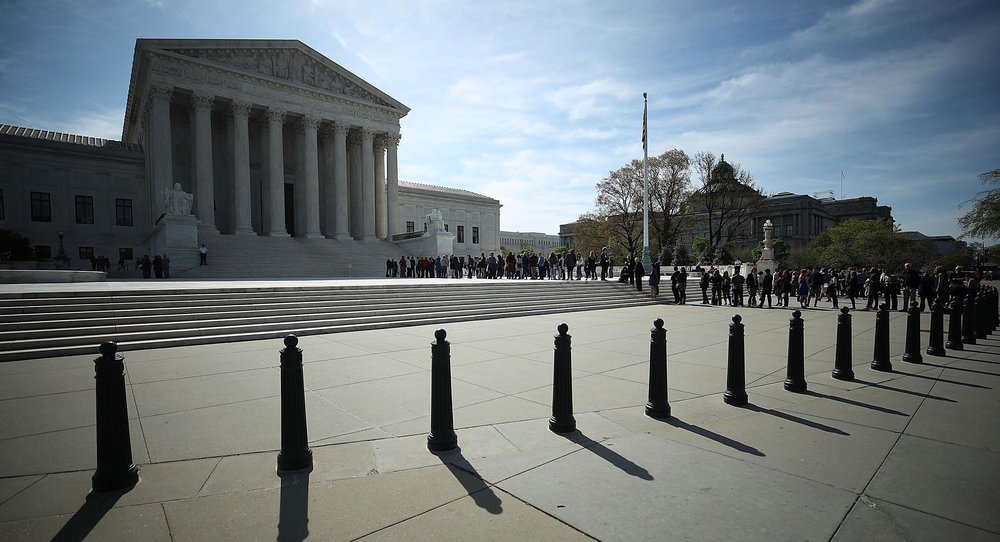
The Supreme Court voted 5-4 in favor of the controversial ruling
The Arbitration Agreements are commonly used by employers to restrain any lawsuits or disputes filed which lead to bigger payouts, damages, and loss to the company. This usually happens when workers are backed by labor unions or employee groups.
Together, they challenge their employer’s use for Arbitration Agreements. With the employees claiming the AA violates the National Labor Relations Act (NLRA) in which employees were guaranteed to join forces for mutual aid and protection.
The Controversial Ruling
The Supreme Court’s majority decided against the workers, claiming that the said collective bargaining law cannot replace the federal law nor the arbitration process. This also means that class-action waivers brought by employers in an employment contract are deemed legitimate.
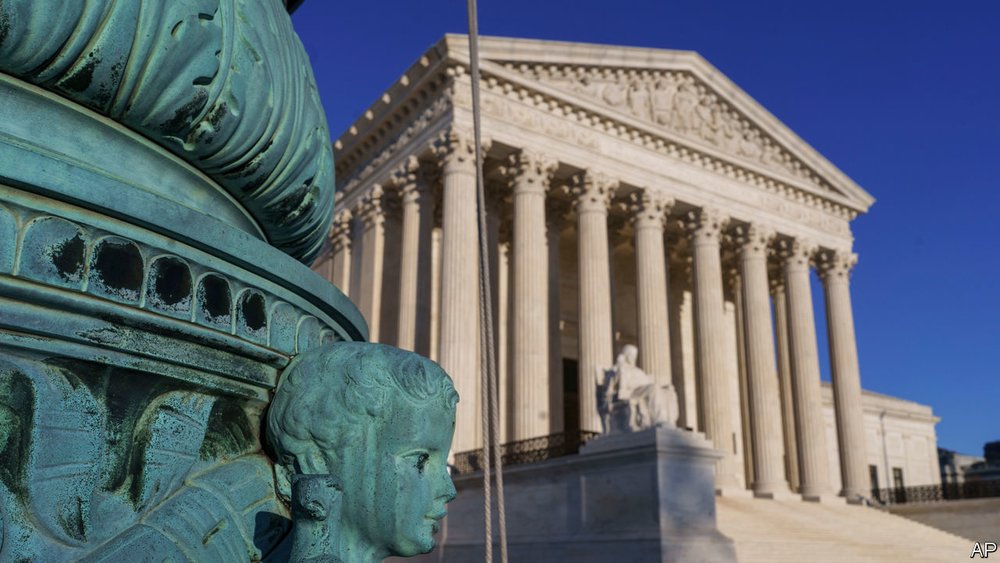
Justice Neil Gorsuch stated in a written statement on behalf of the majority that the Congress didn’t implement the NLRA to “displace” the federal arbitration law
Furthermore, he added that while the policy is debatable, the law remains clear and fixed. Congress instructed that AA should be enforced at all times.
This ruling supported the high court’s former decision that companies can force their employees and consumers into AA’s with class-action waivers and fine print especially when buying plane tickets or registering for a new cell phone. While the latest ruling sanctioned the use of such waivers in the workplace. This has become a common practice for the last 20 years.
A Heavy Blow to the Workers
The SC’s recent rulings are a heavy blow and have major implications for workers. The filing of class-action lawsuits is one of the most powerful actions for employees to take against their abusive employers. This also serves as their means to secure their back pay, demand a minimum wage, or overtime rights which may have been violated by their employers. Not only that, but it also serves as their protection against bosses who discriminate against them in the workplace. The class-action waivers effectively negate the employees’ rights to fight for their labor rights.

Justice Ruth Bader Ginsburg called the majority’s decision “egregiously wrong.” She also argued that one of the NLRA provisions state that employees are entitled to pursue litigation as a collective group. Weakening the employees’ collective actions through class-action waivers imposed by employers violate the worker’s rights
Aside from that, it makes it harder for the employees to pursue such lawsuits individually, rather than filing it as part of a bigger, collective group. The labor groups also fear that lawyers may hesitate on backing these individual complaints since the judgments or settlements will be small and may not also be worth their time. The employees also fear their employers may retaliate and make their lives more miserable since they can now only file these lawsuits individually.
The Unfair Deal
Judge Ginsburg stated during the oral arguments that strength comes with numbers. The class action lawsuit can help protect an individual worker’s rights against his or her giant employer. When backed by labor groups and unions, the employee can easily match his employer’s superior strength. She also fears that this may pave way for employers to continue implementing unfair working conditions to their workers such as underpayment, no overtime pays, and layoffs.
According to the Economic Policy Institute, around 25 million workers last year, especially the non-union employees in the private sector, were forced to sign their rights to join class-action lawsuits away, as one of the conditions of employment.
More in Legal Advice
-
 How to Secure a Government Job During Budget Cuts
Federal hiring slows down when budgets tighten, yet it never stops completely. Agencies still need analysts, advisors, and policy staff to...
March 1, 2026 -
 Brooklyn Beckham’s Billionaire Father-in-Law Breaks Silence on the Family Feud
The Beckham family drama just took another sharp turn. This time, the voice cutting through the noise belongs to billionaire investor...
February 22, 2026 -
 Notre Dame Faces Faculty Resigns After Controversial Appointment
Tension is rising at the University of Notre Dame after two scholars cut formal ties with the Liu Institute for Asia...
February 22, 2026 -
 High Court Upholds Malay Celeb Preacher Da’i Syed’s Rape Conviction
The Shah Alam High Court has spoken, and it spoke clearly. Celebrity preacher Da’i Syed will go to prison now, not...
February 15, 2026 -
 Venezuela Opens Oil Industry as U.S. Threatens Cuba Tariffs
Venezuela has passed a significant law change aimed at opening its oil industry to foreign investment. The move, endorsed by acting...
February 15, 2026 -
 Is a ChatGPT-Written Will Legal?
At first glance, using AI to draft a will seems like a smart idea. It’s fast, free, and has a modern...
February 6, 2026 -
 Prince Harry Supports Elizabeth Hurley in Tabloid Privacy Case
London’s High Court became the center of attention as Prince Harry appeared in support of Elizabeth Hurley during an emotional hearing...
February 6, 2026 -
 5 Ways AI Is Transforming Daily Legal Workflows
AI did not storm into law firms with fireworks. It slipped in through contracts, research tabs, inboxes, and meeting notes. By...
February 1, 2026 -
 How to Legally Protect Your Side Hustle Without Spending a Fortune
Starting a side hustle is a practical way to test a business idea, generate extra income, or lay the foundation for...
February 1, 2026
More From Lawyers Favorite
-
 Criminal AttorneyUS Supreme Court Limits Sentence Reductions for Federal Prisoners
The U.S. Supreme Court has issued a major ruling that reshapes how far prison reform laws can reach into past sentencing....
June 12, 2026 -
 Celeb JusticeInside Ex-Prince Andrew’s “Bleak” Life in Exile as New Claims Emerge
Once positioned near the center of Britain’s royal institution, Andrew Mountbatten-Windsor now faces a reality far removed from palace ceremonies and...
June 6, 2026 -
 Legal AdviceU.S. Lawmakers Push Bill to Expand Burn Pit Benefits to Civilian Workers
A bipartisan group of U.S. lawmakers has introduced a draft proposal aimed at expanding workers’ compensation access for civilian federal employees...
May 30, 2026 -
 Law DegreePentagon AI Use in War Raises Questions on Legal Limits and Accountability
AI has moved from support tools in defense operations to a central part of how modern warfare is conducted. In the...
May 22, 2026 -
 Criminal AttorneyIdaho Bathroom Law Faces Federal Lawsuit by Transgender Residents
A new Idaho law restricting restroom access has triggered a federal court challenge from transgender residents who say it places daily...
May 15, 2026